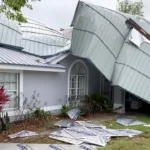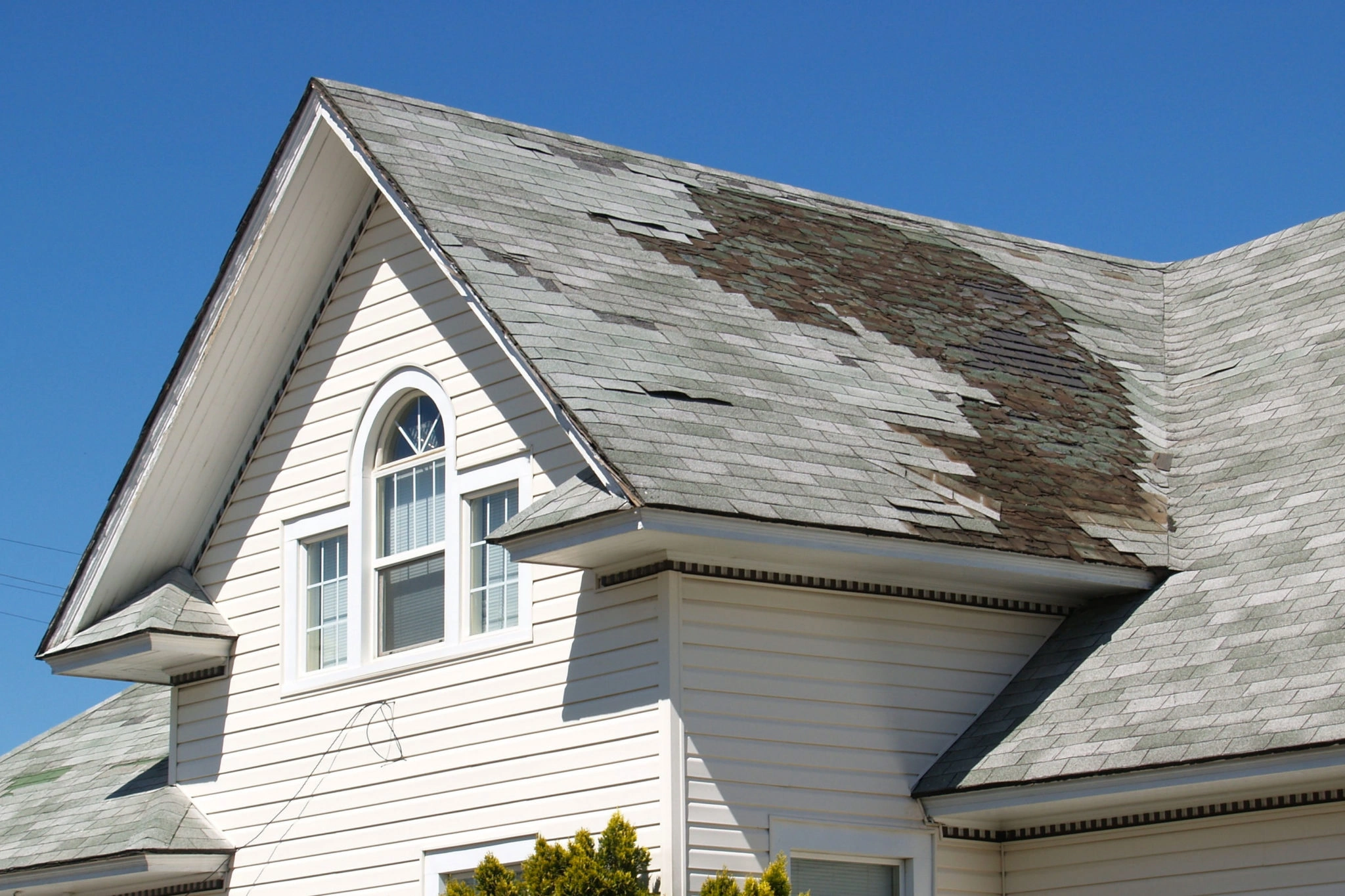

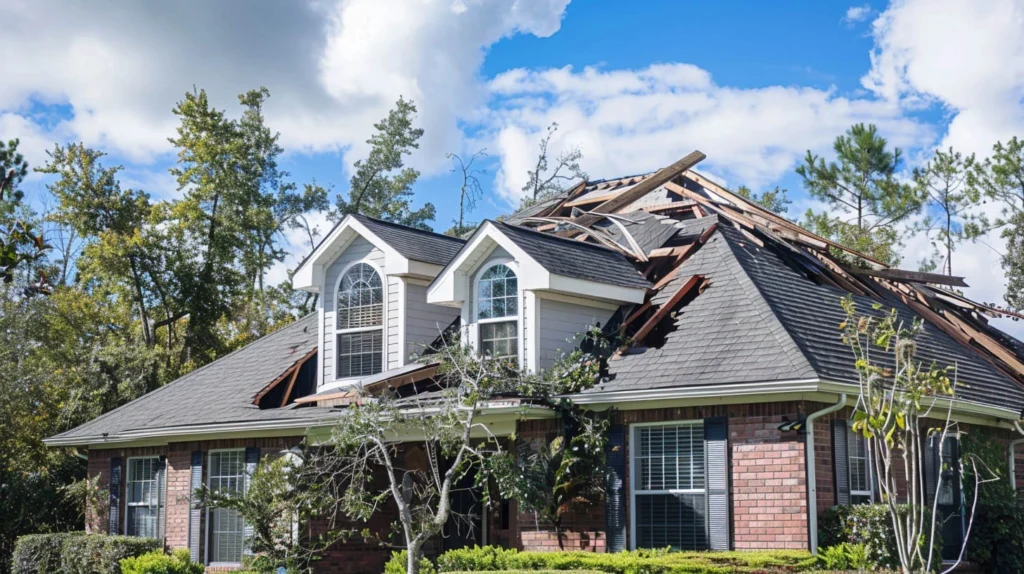
Florida homeowners insurance covers storm damage roof repairs caused by wind, hail, or hurricanes. Homeowners have one year from the storm’s official landfall date to file. A licensed roofing contractor should inspect your roof before you contact your insurer.
Storm damage roof insurance claims in Florida are among the most disputed property claims in the state. Insurance reforms in 2022 and 2026 changed filing rules, coverage limits, and deadlines.
This guide gives Central Florida homeowners a clear, step-by-step process to file a storm damage roof insurance claim and get a fair payout.
Why Florida Storm Damage Roof Insurance Claims Are Complicated
Florida generates more roof damage claims per year than nearly any other state. Insurance companies have tightened rules significantly since 2022.
Three key changes every Florida homeowner must know:
- Senate Bill 2D (2022): Eliminated Assignment of Benefits. You now control your own claim; no contractor can take it over.
- One-Year Deadline (Florida Statute §627.70132): You have 12 months from the storm’s landfall date to file. Not the date you noticed damage.
- Senate Bill 808 (July 2026): Expanded inspection qualifications and added new rules for roofs 15 years or older.
- ACV Policies Now Common: Many insurers now depreciate payouts based on roof age. Older roofs receive far less than replacement cost.
Does Insurance Cover Roof Replacement in Florida?
Yes, Florida homeowners insurance covers roof replacement when damage results from a covered storm event. It does not cover gradual wear, aging, or neglect.
Covered Perils (What Insurance Pays For)
- Hurricane and tropical storm wind damage
- Hail impact including hidden granule loss on asphalt shingles
- Falling tree or debris impact
- Fire and lightning strikes
- Wind-driven rain intrusion through a storm-created opening
What Florida Homeowners Insurance Does NOT Cover
- Flood or storm surge requires separate NFIP or private flood coverage
- Gradual roof deterioration, aging, or lack of maintenance
- Cosmetic damage only no structural loss
- Pre-existing damage before the storm event
Understanding Your Florida Roof Insurance Policy
Before you file, locate your Declarations Page and read two key items: your deductible type and your coverage method.
Replacement Cost Value (RCV) vs. Actual Cash Value (ACV)
- RCV (Replacement Cost Value): Pays the full cost to replace your roof at today’s prices, minus your deductible.
- ACV (Actual Cash Value): Pays replacement cost minus depreciation based on your roof’s age. A 15-year shingle roof may receive 40–60% less.
- Why It Matters: On a $20,000 roof replacement, an ACV payout could be as low as $8,000 before your deductible is applied.
Florida Hurricane Deductible
Your hurricane deductible is separate from your standard deductible. It is calculated as a percentage of your home’s insured value, not a fixed dollar amount.
- Typical range: 2–5% of Coverage A (insured value)
- Example: 2% on a $300,000 home = $6,000 out of pocket before coverage starts
- Non-hurricane wind events use your standard fixed deductible instead
Ordinance or Law Coverage
Florida Building Code requires full roof replacement when more than 25% of the surface is damaged within 12 months. This is known as the 25% Rule.
Ordinance or Law coverage pays for code-required upgrades: hurricane straps, secondary water barriers, updated nail patterns. Not all policies include it. Check yours now.
How to File a Storm Damage Roof Insurance Claim in Florida
Follow these steps in order. Skipping any step is the most common reason claims are denied or underpaid.
1. Document damage immediately and safely.
Photograph your roof from ground level. Capture lifted shingles, cracked tiles, dented gutters, and interior water stains. Do not climb your roof. Record a narrated video walkthrough with timestamps.
2. Request emergency tarp service.
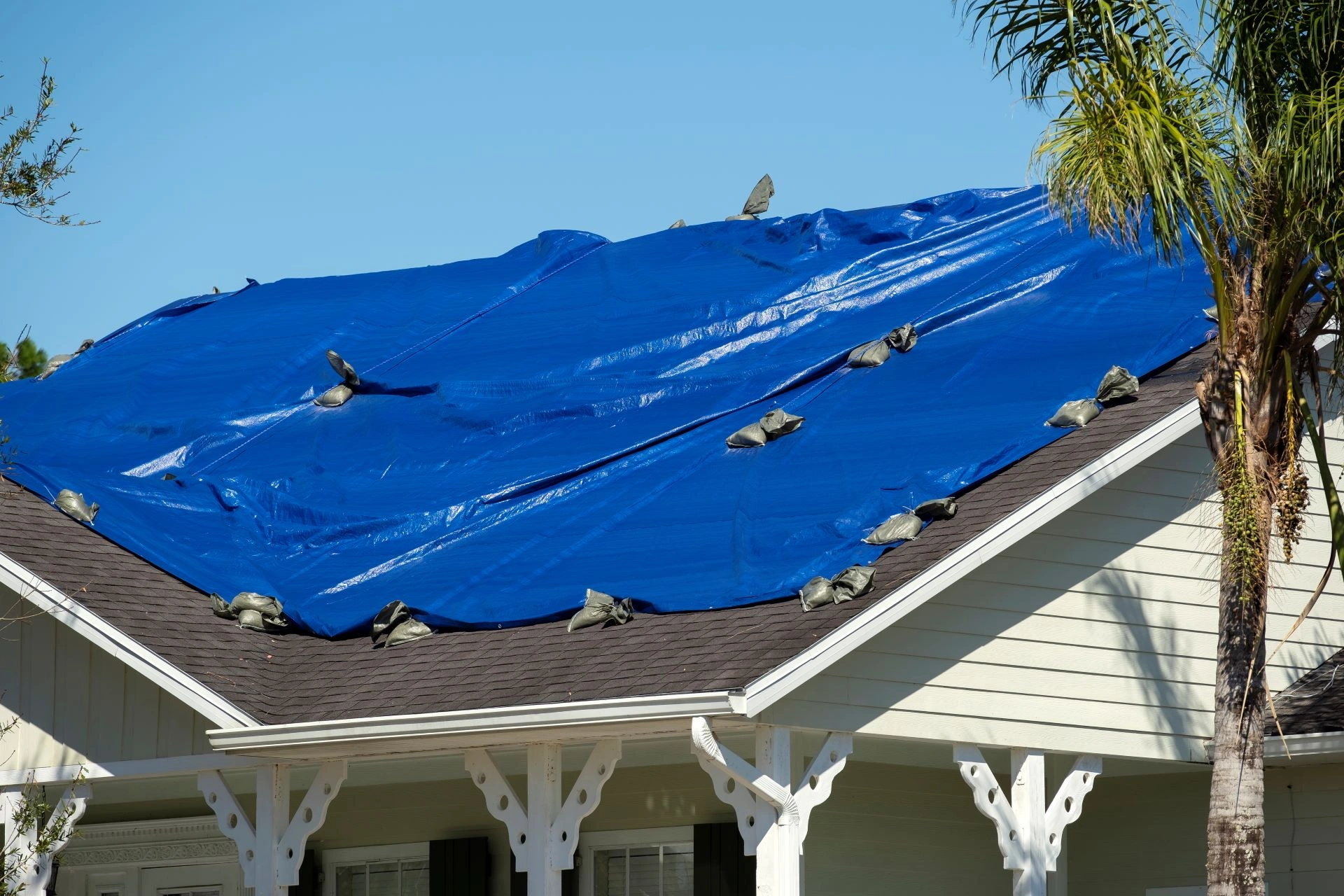
Florida requires you to take reasonable steps to prevent further damage. Emergency tarping is typically reimbursed by your insurer. Keep all receipts.
3. Schedule a licensed contractor inspection before calling your insurer.
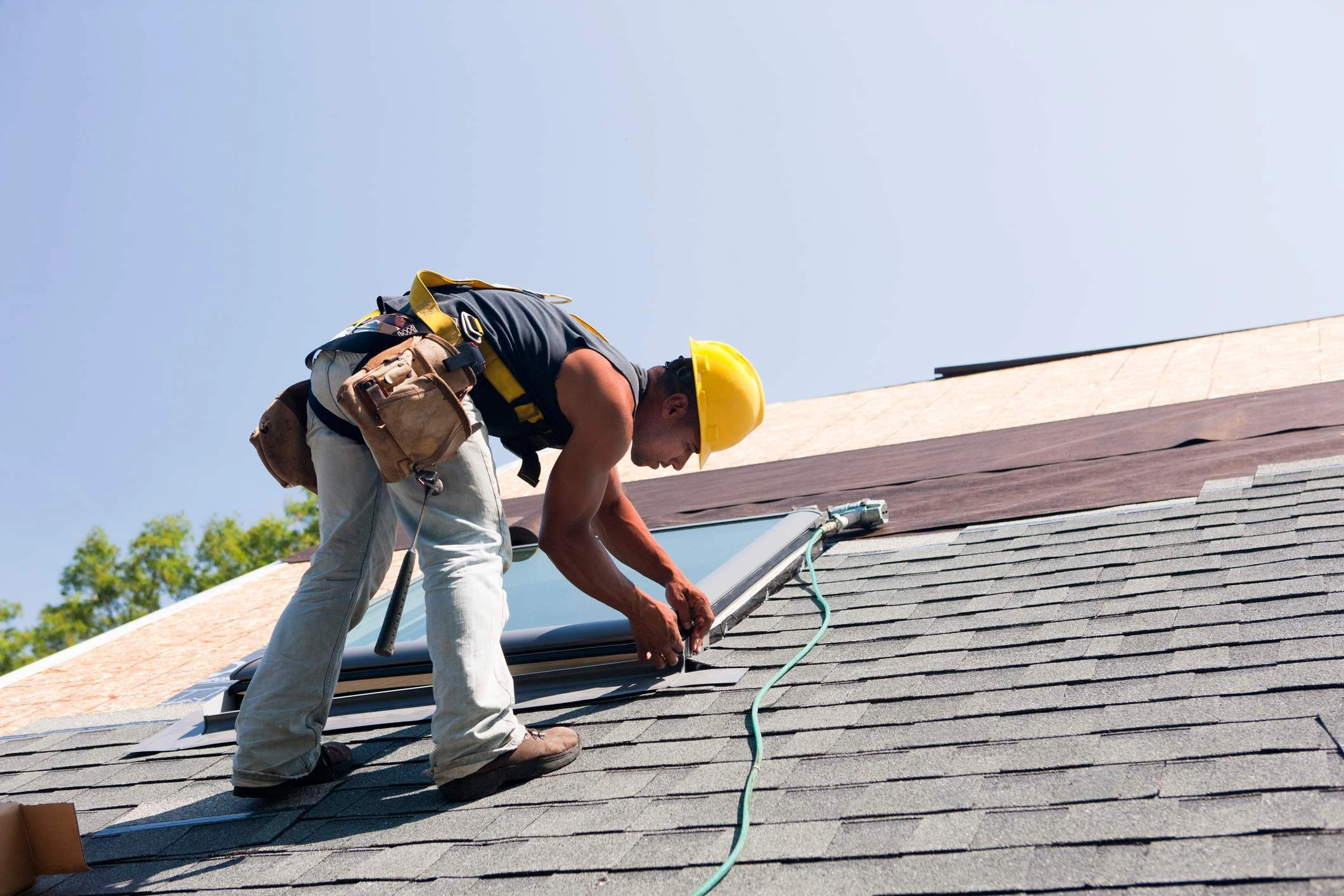
A licensed roofing contractor provides a written, timestamped damage report. This becomes your primary evidence for the claim. Adjusters can miss subtle damage, especially on tile and metal roofs.
4. Review your policy before you call.
Confirm your deductible type (hurricane vs. standard), your coverage method (RCV vs. ACV), and whether you have Ordinance or Law coverage.
5. File your Notice of Loss in writing.
Submit via email or your insurer’s online portal. Include your storm date, damage description, photo documentation, and contractor inspection report. Keep a timestamped copy of everything.
6. Have your contractor present during the adjuster visit.
This is your legal right. Your contractor can identify damage the adjuster overlooks, including code-required upgrade items such as secondary water barriers and updated fastening patterns.
7. Review the settlement offer line by line.
Compare it against your contractor’s estimate. Common undercount areas: code upgrade costs, underlayment replacement, flashing, interior water damage. If the offer is low, request a re-inspection or invoke your policy’s Appraisal Clause.
Florida Roof Claim Deadline: Critical Dates You Must Know
DEADLINE ALERT Missing these dates permanently bars your claim. No exceptions.
- Initial claim deadline: 1 year from the storm’s official landfall date (not when you discovered damage).
- Supplemental claim deadline: 18 months from the original storm date for newly discovered damage during repairs.
- The insurer must acknowledge within 7 days of receiving your Notice of Loss (Florida Statute §626.9641).
- The insurer must inspect within 30 days of receiving your proof of loss.
- The insurer must pay or deny within 60 days. Missed deadlines may trigger statutory interest owed to you.
Example: If Hurricane Milton struck Orlando on October 9, 2024, your initial claim deadline was October 9, 2025. For supplemental damage found during repairs, you had until April 9, 2026.
Storm Damage Roofing Costs in Central Florida (2026)
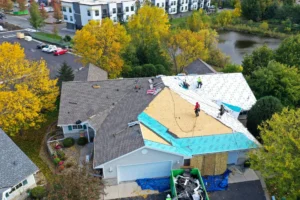
These are current pre-deductible estimates for labor and materials in the Orlando, Ocala, and surrounding Central Florida market.
| Service | Typical Range | Primary Cost Factor |
| Asphalt Shingle Repair | $400 – $1,800 | Number of damaged squares |
| Tile Roof Repair | $600 – $3,500 | Tile type: matching availability |
| Metal Roof Repair | $500 – $2,200 | Panel system; seam type |
| Full Shingle Replacement | $9,000 – $18,000 | Home size; pitch; material grade |
| Full Tile Replacement | $18,000 – $35,000 | Concrete vs clay; underlayment |
| Full Metal Replacement | $14,000 – $28,000 | System type; gauge; finish |
| Emergency Tarp Service | $350 – $900 | Roof size; access difficulty |
| Code Upgrade Additions | $2,000 – $6,000 | Hurricane straps; water barriers |
Key cost variables for Central Florida homeowners:
- Hurricane deductible: A 2% deductible on a $300,000 home means $6,000 out of pocket before insurance covers anything.
- ACV depreciation impact: Roofs older than 10 years may see ACV payouts reduced by 30–60% below replacement cost.
- Post-storm demand surge: Material and labor costs spike across Orlando, Ocala, Winter Garden, and Altamonte Springs after regional events. File early.
- Ordinance upgrades: Code-required improvements add $2,000–$6,000. Covered only if your policy includes an Ordinance or Law endorsement.
Why Central Florida Homeowners Choose Big Sky Roofing
Big Sky Roofing proudly serves homeowners throughout Orlando, Winter Garden, Windermere, Ocala, Maitland, Altamonte Springs, Winter Springs, and surrounding Central Florida communities with residential roof repair, replacement, and hurricane preparation services. Our experienced team helps homeowners identify roofing issues early, understand their options, and make informed decisions before storm season arrives.
Homeowners choose Big Sky Roofing because of our:
- 34 years of Central Florida roofing experience
- Florida Roofing Contractor License #CCC1335755
- GAF Certified Roofing Contractor
- A-Rated BBB Contractor
- Angi Certified and HomeAdvisor Top Rated
- Free residential roof inspections throughout our Central Florida service area
- 20-year workmanship warranty on all roof replacements
- 0% financing for 21 months with approved credit through Enhancify
- Licensed in-house roofing team with no subcontractors
Our goal is to help homeowners across Orlando, Winter Garden, Windermere, Ocala, Maitland, Altamonte Springs, Winter Springs, and nearby Central Florida communities protect their homes with reliable roofing solutions, honest recommendations, and quality workmanship before and after hurricane season.
Conclusion: What to Do Right Now
This Florida homeowner’s guide to storm damage roof insurance claims covers everything you need to file correctly and get a fair settlement.
The five actions that matter most right now:
- Document all visible damage with photos and video before any cleanup begins.
- Confirm your storm’s official landfall date; your one-year filing clock started then.
- Schedule a licensed contractor inspection before contacting your insurance company.
- Review your policy for coverage type (RCV or ACV), deductible, and Ordinance or Law coverage.
- File your Notice of Loss in writing and keep every piece of correspondence.
If you are in Orlando, Ocala, Winter Garden, Windermere, or anywhere across Central Florida, and a storm has affected your roof, Big Sky Roofing is ready to help you take the right first step.
Stay updated on our services and special offers. Connect with us on Facebook, YouTube, Instagram, and Google Business Profile.
Contact Page and speak with our team about available services.
Frequently Asked Questions: Storm Damage Roof Insurance Claims in Florida
Q1. What does Florida homeowners insurance cover for storm-related roof damage?
Florida homeowners insurance covers roof damage caused by wind, hail, hurricanes, falling trees, fire, and lightning. It does not cover flooding, gradual wear, or maintenance neglect. Damage must result from a sudden, covered storm event.
Q2. How long do I have to file a roof insurance claim in Florida?
Florida Statute §627.70132 gives homeowners one year from the storm’s official landfall date to file an initial claim. The deadline is based on when the storm hit—not when you discovered damage. Missing this deadline permanently bars your claim.
Q3. Does insurance cover a full roof replacement in Florida?
Yes, if a covered storm event caused the damage and the scope meets the threshold for replacement. Florida’s 25% rule requires full replacement when more than 25% of the roof surface is damaged within 12 months. Coverage depends on your policy type (RCV or ACV).
Q4. What is the Florida roof claim deadline for hurricane damage?
For hurricane or named storm damage, the Florida roof claim deadline is 12 months from the storm’s official landfall date. For supplemental damage found during repairs, you have 18 months from that same date. Always use the landfall date, not the discovery date.
Q5. How do I file a storm damage roof insurance claim in Florida?
Document the damage with photos immediately. Get a licensed contractor’s inspection before calling your insurer. File a written Notice of Loss with your photos, storm date, and contractor report. Have your contractor present during the adjuster visit. Review the settlement offer before signing.