
The hurricane season roof checklist for Central Florida homeowners includes 10 steps: schedule a professional roof inspection, check shingles for damage, inspect and reseal flashing, assess the roof deck and underlayment, secure soffit and gutters, verify hurricane strap connections, get a wind mitigation inspection, evaluate shingle type, document roof condition for insurance, and trim all overhanging trees and branches.
This hurricane season roof checklist for Central Florida homeowners covers every critical step before June 1. Florida’s storm season runs June through November. Most hurricane roof damage is entirely preventable.
Central Florida communities from Orlando and Ocala to Windermere and Winter Garden face sustained hurricane-force winds. Acting before storm season saves thousands in emergency repair costs.
Why Central Florida Roofs Require Hurricane Preparation
Central Florida faces a unique storm threat. Inland communities experience sustained winds of 60 to 100 mph from storms making landfall anywhere along the coast.
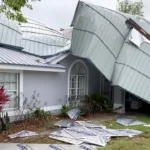
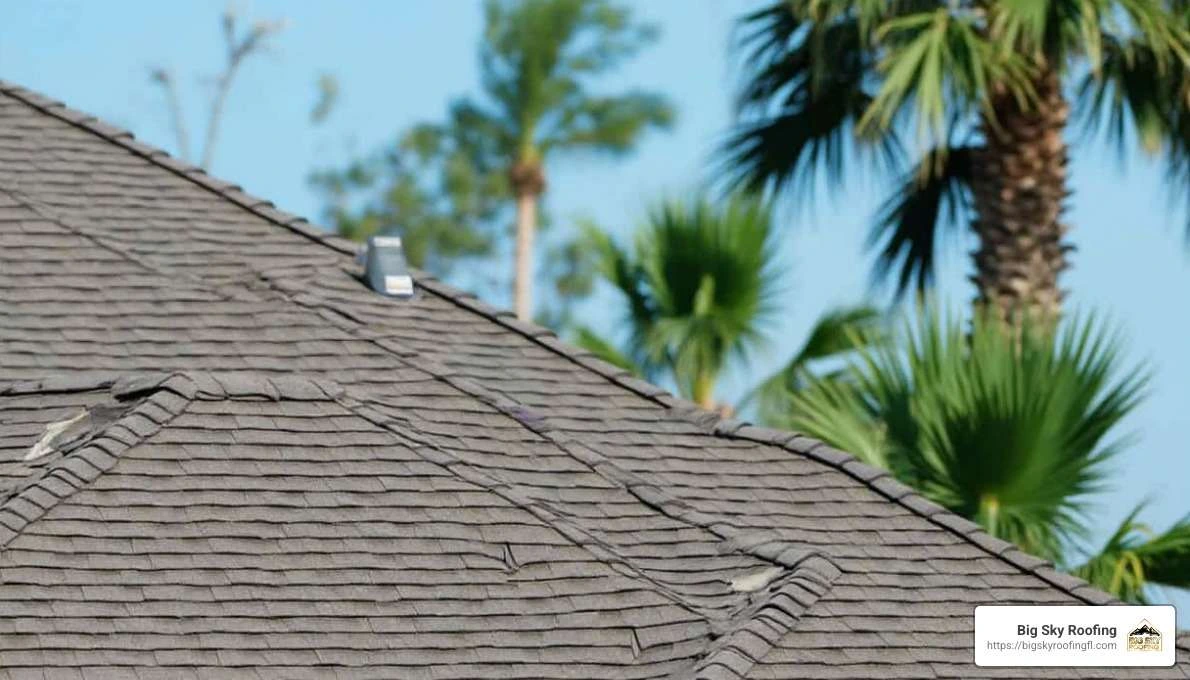
After Hurricane Milton in 2024 and Hurricane Ian in 2022, thousands of inland roofs suffered preventable damage. Lifted shingles, failed flashing, and blown soffit panels are common even in storms that never make direct landfall.
Florida’s insurance market adds critical pressure. Policies are non-renewed on roofs older than 15 years. Insurers increasingly require four-point inspections and wind mitigation reports. A pre-season inspection is now a financial necessity, not just a safety precaution.
The 10-Step Hurricane Season Roof Checklist
Complete all 10 steps before June 1. Contractor schedules fill fast once storm season starts. Emergency post-storm repairs cost three to five times more than the same pre-season work.
Step 1: Schedule a Professional Roof Inspection
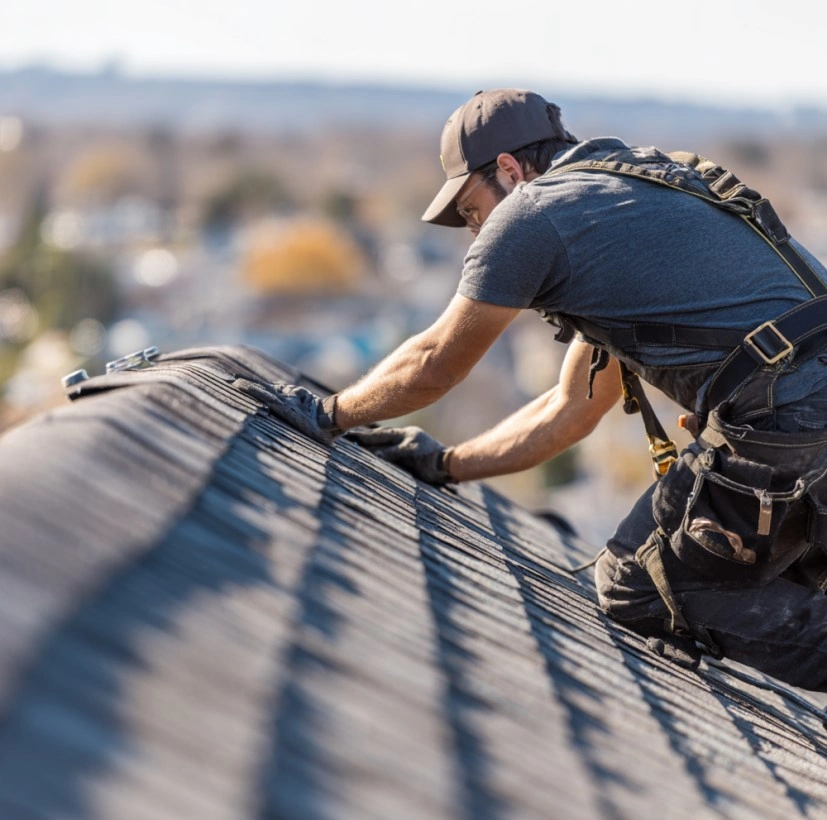
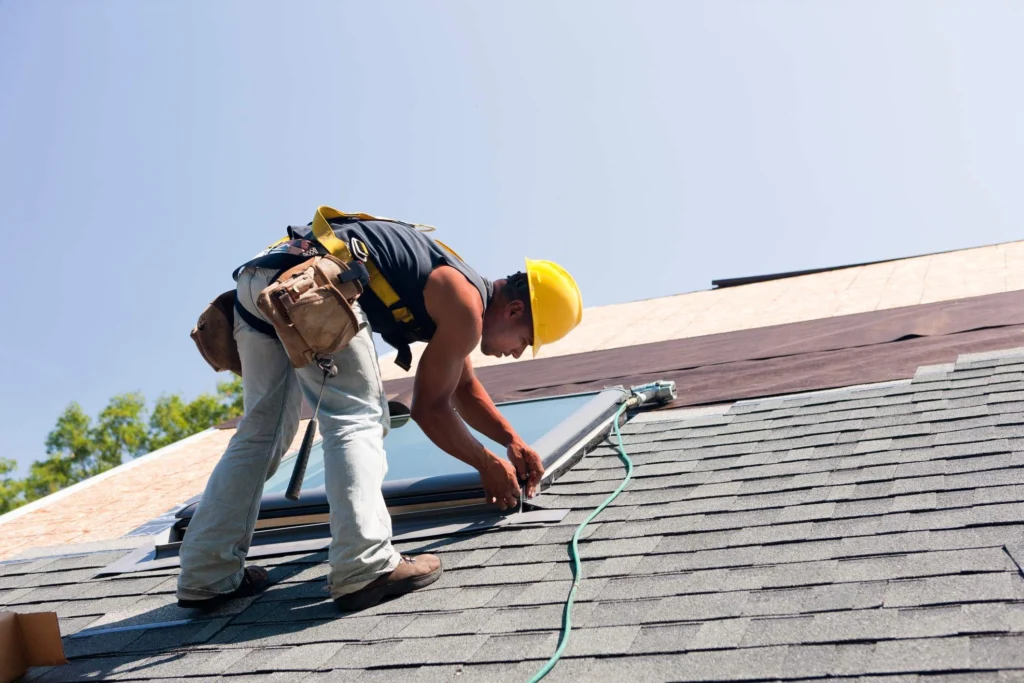
This is the single most important step. A licensed contractor identifies problems invisible from the ground.
Schedule between March and May before contractor availability drops. Ask for a written report with photos.
That document is critical evidence for any post-storm insurance claim. Without a pre-storm baseline, insurers can dispute whether damage existed before the event.
- Big Sky Roofing offers free residential roof inspections across its Central Florida service area.
Step 2: Check Shingles for Wind Damage
Walk your property and inspect the roofline from the ground. Use binoculars for better visibility.
Look for:
- Missing shingles exposed underlayment is a direct water entry point
- Lifted or cupped edges are easily peeled back by winds above 60 mph
- Curling corners aerodynamic failure points caught by the slightest gust
- Granule deposits in gutters are a sign the shingles have aged past peak protection
Any of these conditions needs repair before June 1. Do not patch with caulk and monitor.
Step 3: Inspect and Reseal All Flashing Points
Flashing is the metal barrier around chimneys, vents, skylights, and wall junctions. Failed flashing is one of the most common causes of hurricane water intrusion.
Check for:
- Rust stains or corrosion on metal surfaces
- Dried, cracked, or missing sealant around any penetration
- Sections of flashing pulling away from the roofing surface
- Interior ceiling stains directly below flashing locations
Resealing costs $150 to $400. Fixing interior water damage costs far more.
Step 4: Assess Your Roof Deck and Underlayment
Soft or spongy areas in the roof deck indicate rot. This is an emergency repair, not a maintenance item.
Modern peel-and-stick synthetic underlayment, also called a secondary water barrier (SWR), significantly improves storm performance. It also qualifies your roof for wind mitigation insurance credits, which directly reduce your annual premium.
Step 5: Secure Soffit, Fascia, and Gutters
Soffit panels that peel away create direct attic openings for wind and rain. Clogged gutters back up water under shingles during tropical downpours.
Check for:
- Soffit panels that rattle or flex should feel firm and attached
- Fascia boards with rot, warping, or peeling paint
- Gutters sagging or pulling away from the fascia line
- Downspouts discharging water too close to the foundation
Clean all gutters and downspouts before June 1.
Step 6: Verify Hurricane Straps and Roof-to-Wall Connections
Homes built before 2002 may lack proper hurricane straps. These metal connectors tie your roof structure to your walls.
Without proper connections, wind uplift can lift an entire roof section during a named storm. A licensed contractor can inspect truss-to-wall connections from inside the attic.
Upgrading hurricane straps is one of the highest-ROI structural improvements a Central Florida homeowner can make, and it has a direct impact on your wind mitigation score.
Step 7: Schedule a Wind Mitigation Inspection
A wind mitigation inspection is a state-standardized evaluation of your home’s hurricane-resistant features.
It uses the OIR-B1-1802 form updated by the Florida Office of Insurance Regulation in April 2026. Florida law requires insurers to offer premium discounts based on the results.
Qualifying features that earn the most insurance credits include:
- Hip roof geometry (vs. gable)
- Roof permitted after March 2002 under the Florida Building Code
- Peel-and-stick secondary water barrier
- Hurricane clips or strap connections
- Impact-resistant or Florida Building Code-rated roof covering
The inspection costs $100 to $150 and is valid for five years. Qualifying homeowners save 20 to 40 percent on the windstorm portion of their premium.
If you have replaced your roof since your last wind mitigation report, get a new one immediately. Your current credits do not reflect your new roof’s features.
Step 8: Evaluate Your Shingle Type
Standard three-tab shingles are rated for 60 to 70 mph, easily exceeded by tropical storm conditions. If your home still has three-tab shingles, upgrading before this season is a priority.
Architectural (dimensional) shingles handle 110 to 130 mph when properly installed. Class 4 impact-resistant shingles (tested under the UL 2218 standard) offer the highest debris resistance available in asphalt roofing.
Class 4 shingles qualify for additional insurance discounts of 5 to 20 percent beyond standard wind mitigation credits.
Leading Central Florida options include GAF Armor Shield II, Owens Corning Duration Storm, and CertainTeed Landmark IR. The Class 4 upgrade adds $400 to $800 to a full installation, typically recovered through insurance savings within two to four years.
Step 9: Document Your Roof’s Condition for Insurance
Before storm season begins, photograph every roof section from the ground. Also photograph your attic for any existing water stains or damage.
Attach all documentation to your insurance file.
Two key benefits:
- Insurance protection proves damage is storm-caused, not pre-existing, speeding up claim settlement
- Contractor protection helps legitimate contractors assess damage quickly and identify storm chasers who misrepresent the scope
Step 10: Trim Trees and Secure Loose Items
Overhanging branches are one of the most preventable causes of hurricane roof damage in Central Florida. Even a 4-inch branch becomes a battering ram in sustained high winds.
Before storm season:
- Trim all branches within 10 feet of the roofline. Hire a professional arborist
- Remove dead wood from any tree on your property
- Secure or store patio furniture, potted plants, and decor that can become projectiles
- Confirm attic vents are screened against wind-driven rain intrusion
What Does Hurricane Roof Prep Cost in Central Florida?
Costs vary by roof condition, age, and material type. These are typical ranges for the Orlando, Ocala, and surrounding service areas:
| Service | Typical Cost Range |
| Professional roof inspection | Free to $250 (Big Sky Roofing: Free) |
| Minor shingle and sealant repairs | $150 – $600 |
| Flashing inspection and replacement | $400 – $1,200 |
| Wind mitigation inspection | $100 – $150 (valid 5 years) |
| Gutter cleaning and reattachment | $150 – $400 |
| Soffit and fascia repair | $300 – $1,500 |
| Full roof replacement (architectural shingles) | $9,000 – $16,000 (1,500–2,000 sq ft) |
| Upgrade to Class 4 impact-resistant shingles | #ERROR! |
| Hurricane strap installation | $800 – $2,500 |
Emergency post-storm repairs consistently cost three to five times more than the same work done pre-season. A roof that fails during a named storm can trigger $20,000 to $40,000 in cascading water, mold, and structural damage from a maintenance issue that cost $500 to fix in May.
Should You Repair or Replace Before Hurricane Season?
The right decision depends on four factors. Work through each before booking a contractor:
- Roof age: Florida asphalt shingle roofs last 20 to 25 years. Many insurers non-renew policies on roofs older than 15 years, regardless of visual condition.
- Scope of damage: Florida Building Code Section 706.1.1 (the “25% Rule”) requires a full replacement if the repaired area exceeds 25% of the total roof within 12 months. Repeated partial repairs can trigger this threshold.
- Insurance status: If your carrier has signaled non-renewal or cancellation, a new roof may be the prerequisite for keeping coverage before the next storm season begins.
- Material condition: Three-tab shingles, widespread granule loss, and any decking compromise signal that repair is only delaying a necessary replacement.
Repair if your roof is under 12 years old with isolated damage in two or fewer sections.
Replace if: your roof is over 15 years old, has multiple problem areas, has triggered insurer concerns, or has three-tab shingles.
Why Choose Big Sky Roofing
Big Sky Roofing proudly serves homeowners throughout Orlando, Winter Garden, Windermere, Ocala, Maitland, Altamonte Springs, Winter Springs, and surrounding Central Florida communities with residential roof repair, replacement, and hurricane preparation services. Our experienced team helps homeowners identify roofing issues early, understand their options, and make informed decisions before storm season arrives.
Homeowners choose Big Sky Roofing because of our:
- 34 years of Central Florida roofing experience
- Florida Roofing Contractor License #CCC1335755
- GAF Certified Roofing Contractor
- A-Rated BBB Contractor
- Angi Certified and HomeAdvisor Top Rated
- Free residential roof inspections throughout our Central Florida service area
- 20-year workmanship warranty on all roof replacements
- 0% financing for 21 months with approved credit through Enhancify
- Licensed in-house roofing team with no subcontractors
Our goal is to help homeowners across Orlando, Winter Garden, Windermere, Ocala, Maitland, Altamonte Springs, Winter Springs, and nearby Central Florida communities protect their homes with reliable roofing solutions, honest recommendations, and quality workmanship before and after hurricane season.
Conclusion: Act Before Hurricane Season Peaks
Every year, the same pattern repeats across Central Florida. Homeowners who delayed their spring inspection scramble for contractor availability after a named storm causes damage. The window to act is March through May.
The hurricane season roof checklist for Central Florida homeowners is not a seasonal suggestion. It is a practical financial decision. Pre-season repairs save thousands. A current wind mitigation report can reduce your annual insurance premium by 20 to 40 percent.
Stay updated on our services and special offers. Connect with us on Facebook, YouTube, Instagram, and Google Business Profile.
Contact Page and speak with our team about available services.
Frequently Asked Questions
Q1. What is the hurricane season roof checklist for Central Florida homeowners?
The hurricane season roof checklist for Central Florida homeowners is a 10-step pre-season process. It covers professional inspection, shingle and flashing checks, roof deck assessment, soffit and gutter securing, hurricane strap verification, wind mitigation inspection, shingle type evaluation, condition documentation, and tree trimming. Complete all steps before June 1.
Q2. When should I schedule a roof inspection before hurricane season in Florida?
Schedule your pre-season roof inspection between March and May. By June, roofing contractor schedules across Central Florida fill quickly. Booking early ensures any repair work is completed before June 1, when Florida’s hurricane season officially begins.
Q3. What is a wind mitigation inspection in Florida?
A wind mitigation inspection is a state-standardized evaluation of your home’s hurricane resistance features. It uses the OIR-B1-1802 form and documents seven key factors, including roof covering, deck attachment, roof-to-wall connections, and roof shape. Florida law requires insurers to apply premium discounts based on the results. The inspection costs $100 to $150 and is valid for five years.
Q4. How much can a wind mitigation inspection save on homeowners insurance in Florida?
Qualifying Central Florida homeowners typically save 20 to 40 percent on the windstorm portion of their premium. On a policy where wind coverage represents $2,000 or more annually, that equals $400 to $800 per year. The inspection pays for itself in the first year in most cases.
Q5. What are impact-resistant shingles, and are they worth it in Florida?
Impact-resistant shingles carry a Class 4 UL 2218 rating. They withstand a 2-inch steel ball dropped from 20 feet without cracking, replicating wind-driven debris resistance. In Florida, they qualify for insurance discounts of 5 to 20 percent. The upgrade cost of $400 to $800 over a standard roof replacement is typically recovered within two to four years through insurance savings alone.