Roof Over Your Head: Understanding New Roof Costs
•
Written By
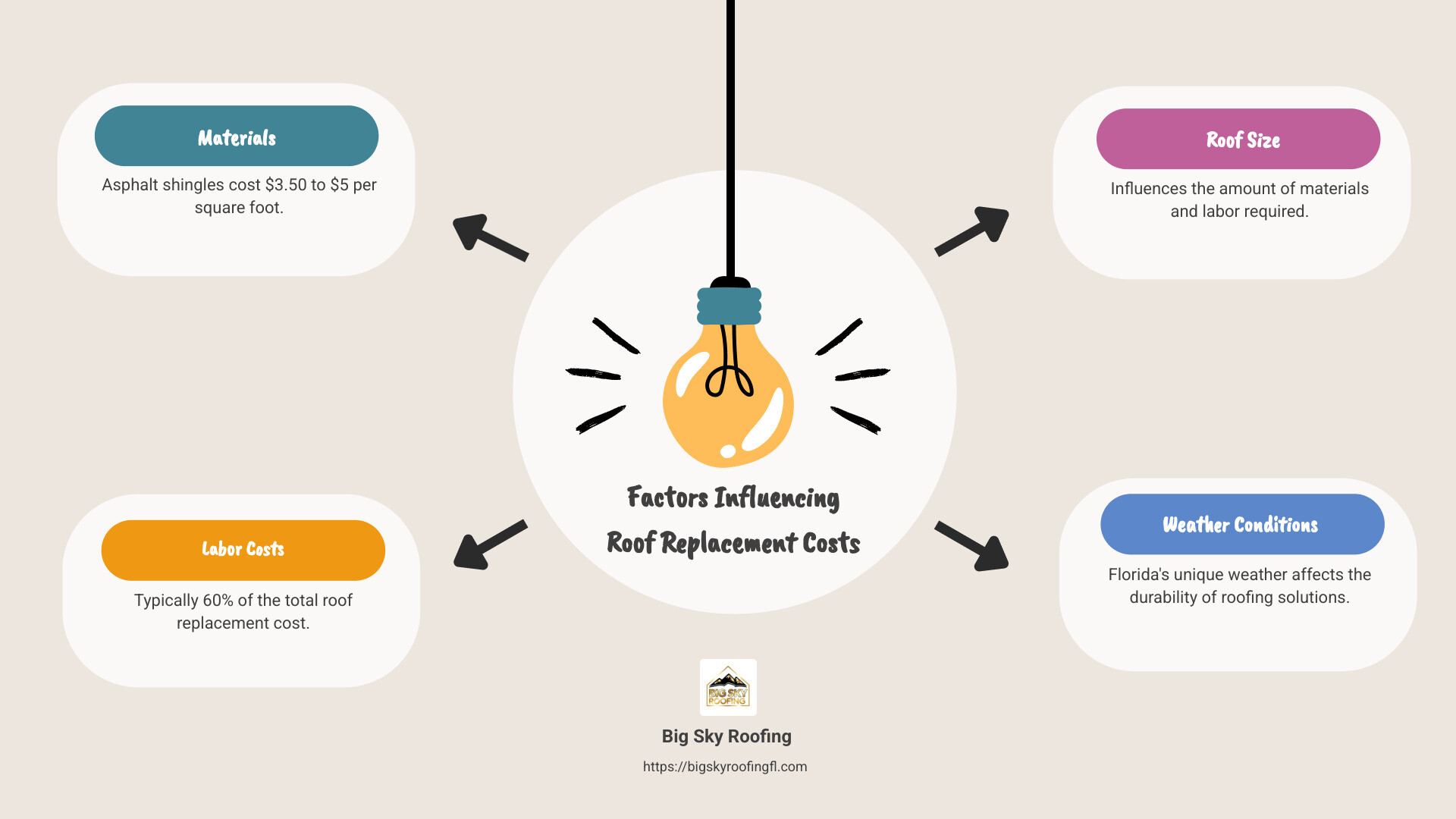
The average cost of a new roof is a pressing concern for many Florida homeowners, especially given our region’s unique weather challenges. Replacing a roof is a significant investment that impacts both your home’s protection and its resale value. Here’s a quick breakdown to help you understand what goes into these costs:
- Materials: Asphalt shingles are the most common, with prices ranging between $3.50 and $5 per square foot.
- Labor: Typically, this constitutes about 60% of the total cost.
- Roof Size: Affects the quantity of materials and labor needed.
In Florida’s counties like Sumter, Lake, Citrus, Hernando, Orange, and Marion, weather conditions can make finding durable and timely roofing solutions more crucial than ever.
Let’s dive deeper into the critical elements that shape this vital home improvement expense.
Know your average cost of a new roof terms:
– how much does a metal roof cost
Average Cost of a New Roof
When it comes to roofing, understanding the average cost of a new roof helps you plan better and avoid surprises. Let’s break down these costs by square foot and roof size.
Cost by Square Foot
The cost of your new roof largely depends on the square footage. In Florida, the average cost ranges between $3.50 and $5 per square foot for asphalt shingles. This cost includes both materials and labor, with labor typically making up about 60% of the total expense.
For example, if you’re considering a roof replacement in Sumter County or any of the other primary counties like Lake or Citrus, expect these figures to guide your budgeting.
Cost by Roof Size
Roof size is another major factor influencing the cost. Here’s a quick look at what you might pay based on different sizes:
- 1,500 square feet: This size roof could cost you between $5,250 and $7,500, depending on the materials and labor specifics.
- 2,000 square feet: For a roof of this size, expect to pay between $7,000 and $10,000. This range accounts for various factors like material choice and labor complexity.
- 3,000 square feet: Larger roofs, like a 3,000 square foot one, typically range from $10,500 to $15,000. The increased size naturally demands more materials and labor, leading to higher costs.

Material Costs: Asphalt shingles are often the go-to choice due to their affordability and durability. However, other materials like metal or tile can significantly alter costs.
When planning for a new roof, always consider these variables. Whether you’re in Hernando or Orange County, these insights will help you make informed decisions about your roofing project.
Next, we’ll explore the factors influencing roof replacement costs in more detail.
Factors Influencing Roof Replacement Costs
When you’re considering a roof replacement, several factors can affect the final bill. From the type of material to labor and roof design, each element plays a role. Let’s explore these influences.
Material Types and Costs
Material Quality: The quality of roofing materials directly impacts cost. High-quality materials often come with a higher price tag but offer longer lifespans and better durability. For example, architectural shingles can last 30 to 35 years, while metal roofing can last up to 70 years.
- Asphalt Shingles: These are the most popular choice due to their affordability and ease of installation. They generally cost between $3.50 and $5 per square foot in Florida. Basic three-tab shingles are cheaper than architectural shingles, which offer a more stylish look and better performance.
- Metal Roofing: While more expensive upfront, metal roofs are durable and energy-efficient. They can cost around $8.76 per square foot, as seen with materials like galvanized steel or aluminum.
Additional Elements
Beyond the main roofing materials, other components also contribute to the overall cost.
- Nails: These small items can add up. In 2023, a box of nails costs about $30, and a typical roof requires two boxes.
- Underlayment: This protective layer is crucial for preventing water damage and is a building code requirement. It helps keep your home safe from leaks and mold.
- Ventilation: Proper ventilation is essential for maintaining airflow, which helps prevent mold and rot. It also contributes to energy efficiency, keeping your home comfortable year-round.
Labor and Roof Design
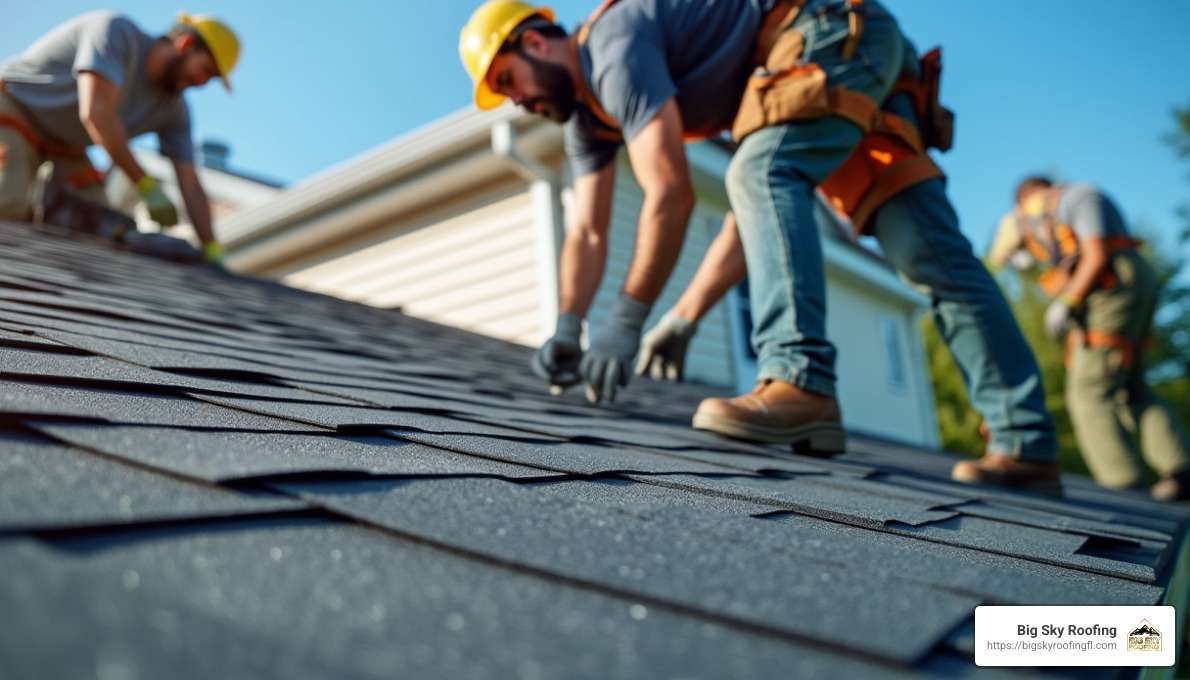
Labor Costs: Labor makes up approximately 60% of the total roofing cost. Factors like the complexity of the roof design, steep pitches, and architectural features such as dormers and skylights can increase labor costs.
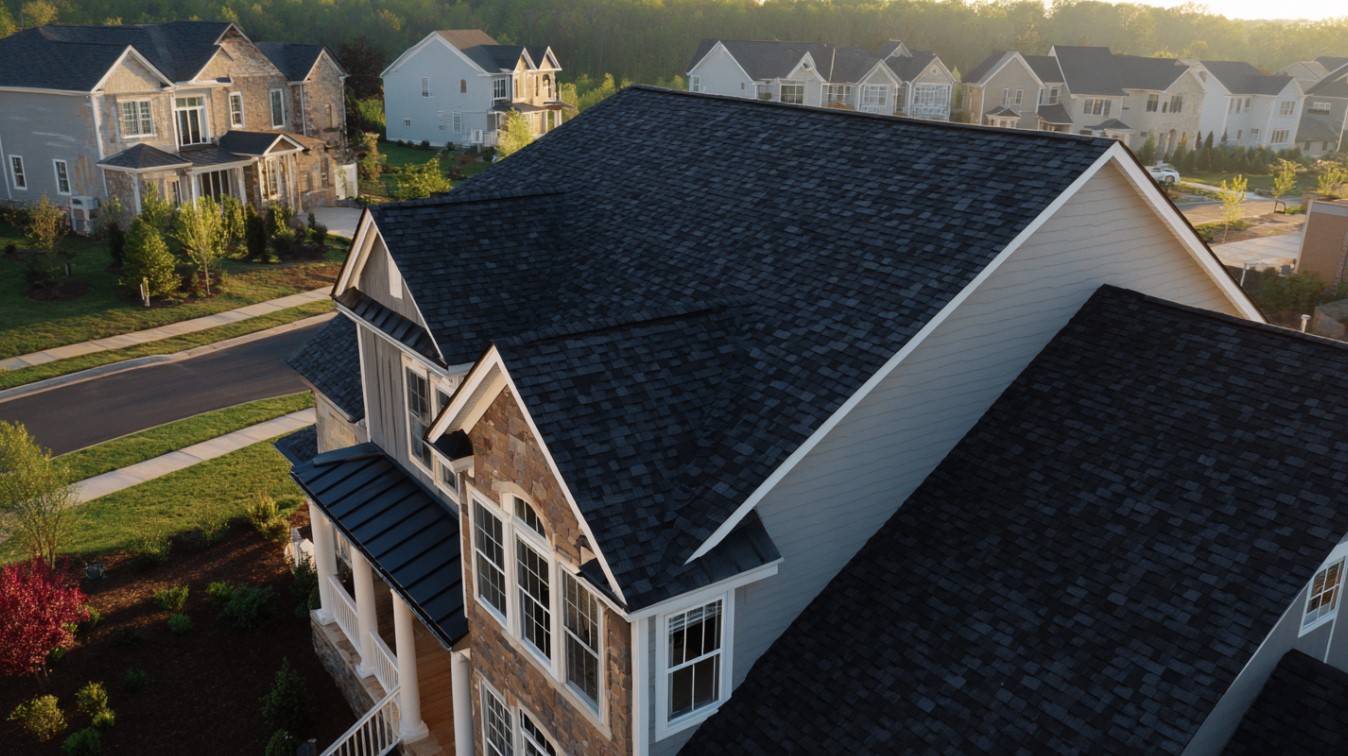
Roof Design: A complex roof design with multiple angles or steep pitches will require more skilled labor, which can drive up costs. Simple, straightforward designs are generally less expensive to replace.
By understanding these factors, you can better anticipate the costs involved in a roof replacement. Whether you’re in Marion or Lake County, these insights will help you budget effectively for your new roof.
Next, we’ll discuss unforeseen costs and considerations that might arise during your roofing project.
Unforeseen Costs and Considerations
When planning for a new roof, it’s important to be prepared for unexpected costs. These can arise from storm damage, roof accessibility, and complex designs. Knowing what to expect can help you budget accordingly and avoid surprises.
Storm Damage
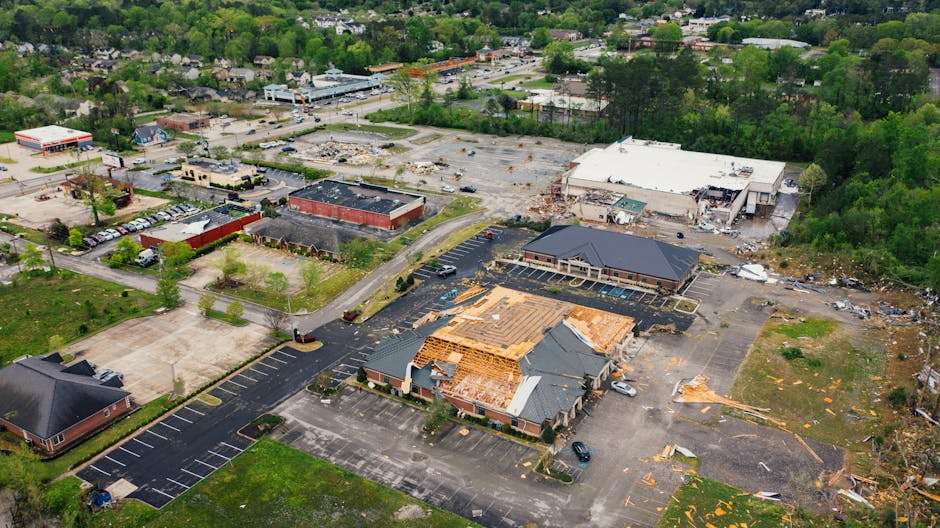
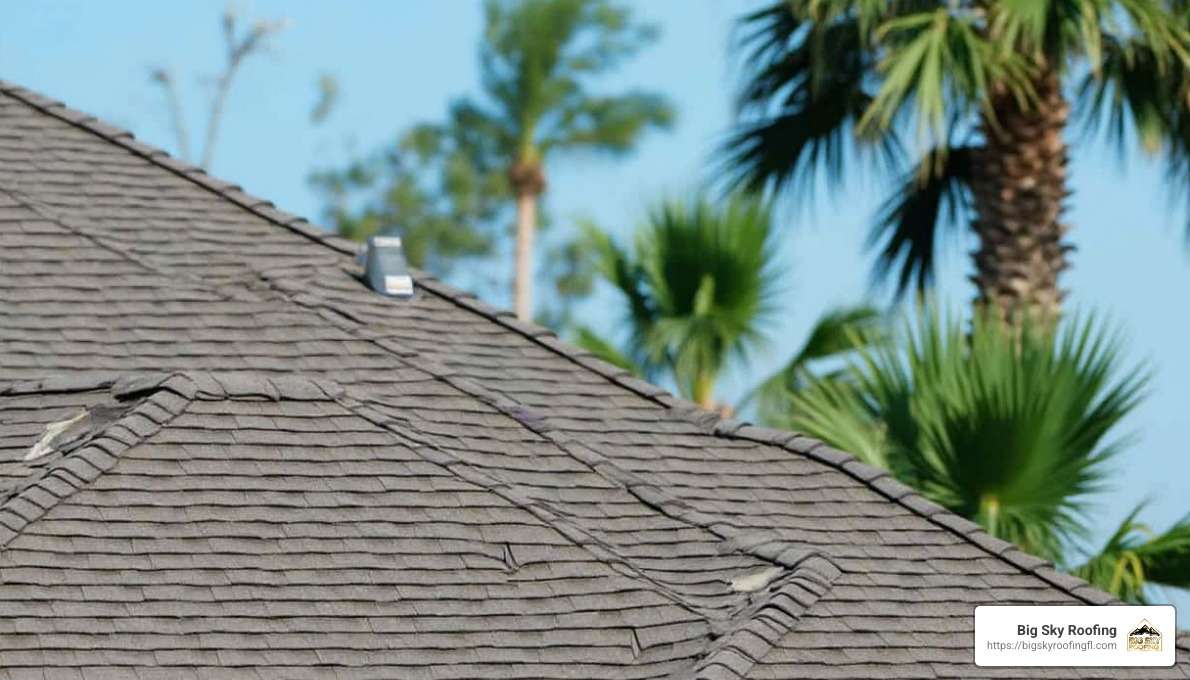
In regions like Florida, severe weather can cause significant roof damage. After a storm, it’s crucial to assess your roof for issues. Homeowners insurance might cover some of these costs if the damage is due to a covered event like a windstorm. Always check your policy details to understand what’s included.
Roof Accessibility
The ease of accessing your roof can affect costs. If your home is surrounded by trees or has a steep pitch, it may be more challenging for contractors to work on. This can increase labor costs because it requires more time and specialized equipment.
Complex Designs
Roofs with complex designs, such as multiple slopes or intricate architectural features, can also drive up costs. These designs require more skilled labor and precise installation techniques, which can lead to higher expenses.
Insurance and Financing Options
Understanding your financing options can make a big difference in managing roof replacement costs.
- Homeowners Insurance: If your roof damage is covered by insurance, it can significantly reduce your out-of-pocket expenses. However, you’ll still need to pay the deductible specified in your policy.
- Payment Plans: Many roofing contractors offer payment plans, allowing you to spread the cost over time. This can be a helpful option if you’re unable to pay the full amount upfront.
- Tax Considerations: While a new roof is generally not tax-deductible, there may be exceptions. For instance, energy-efficient roofing materials might qualify for tax credits. Consult with a tax professional to explore potential savings.
By considering these unforeseen costs and financial options, you can better prepare for your roofing project. Next, we’ll answer some frequently asked questions about roof costs to further guide you in making informed decisions.
Frequently Asked Questions about Roof Costs
When it comes to replacing your roof, questions about costs often arise. Here, we’ll address some of the most common inquiries to help you steer this important investment.
What is the cheapest way to replace a roof?
Finding the cheapest way to replace a roof doesn’t mean opting for the lowest quality. While it might be tempting to choose the least expensive materials and contractors, this can lead to problems down the road. Poor-quality materials and inexperienced contractors can shorten your roof’s lifespan and lead to frequent repairs.
Instead, consider these cost-saving strategies:
- Get Multiple Quotes: Obtain estimates from at least three reputable roofing contractors. This helps ensure you’re getting a fair price without sacrificing quality.
- Off-Peak Scheduling: Schedule your roof replacement during the off-peak seasons, like winter, when demand is lower. Contractors may offer better deals during these times.
- Consider Overlays: If your roof is in relatively good condition, an overlay (installing new shingles over existing ones) could save on labor costs. However, be aware that this might void some warranties.
- Bundle Services: If you have other home improvement projects, bundling them with your roof replacement might lead to discounts.
Is a new roof tax deductible?
Generally, the cost of a new roof is not tax-deductible as a home improvement expense. The IRS classifies it as a capital expense. However, there are exceptions:
- Energy-Efficient Upgrades: If your new roof includes energy-efficient materials, you might qualify for a home energy tax credit. This could allow you to deduct a portion of the cost.
- Rental Properties: If you own rental property, the cost of a new roof can be deducted as a rental property expense.
Always consult with a tax professional to understand if your specific situation might qualify for any tax deductions or credits.
How does roof pitch affect cost?
The pitch of your roof can significantly impact the cost of replacement. Here’s how:
- Low Slope Roofs: These can cost between $4.50 to $7 per square foot. They might seem cheaper, but they often require specific materials that can add to the cost.
- Conventional Slopes: These range from $3.50 to $9 per square foot. They offer more material options, which can help manage costs.
- Steep Slopes: These are the most expensive, costing from $5 to $12 per square foot. Steep slopes require more labor, safety precautions, and time, driving up the overall cost.
Understanding how these factors affect roofing costs can help you make informed decisions about your roofing project.
Next, we’ll conclude with the benefits of investing in a quality roof with Big Sky Roofing and how it can lead to long-term savings.
Conclusion
Investing in a new roof is a significant decision, and choosing the right partner is crucial. At Big Sky Roofing, we understand that a roof is more than just a protective layer—it’s an investment in your home’s future. With over 25 years of experience, we provide superior craftsmanship and customer service across Central Florida, including Sumter, Lake, Citrus, Hernando, Orange, and Marion counties.
Why Choose Big Sky Roofing?
Our team’s expertise ensures that your roof is built to last. We use high-quality materials, from asphalt shingles to metal roofing, custom to withstand Florida’s unique weather conditions. This commitment to quality not only protects your home but also improves its value.
Investment Benefits
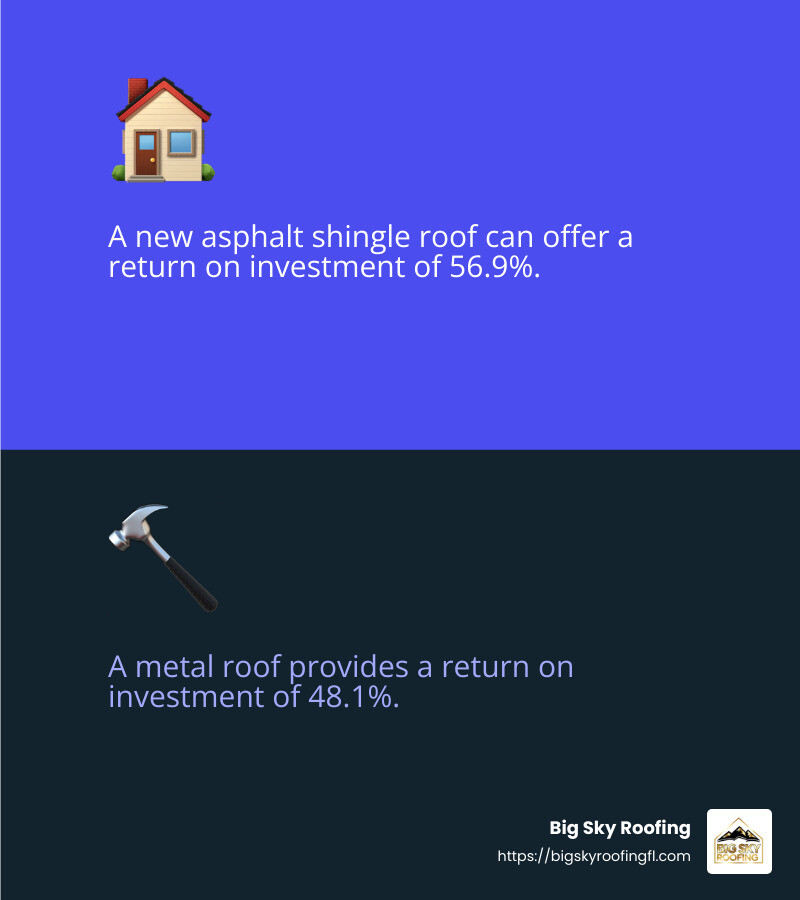
A new roof offers multiple benefits beyond just shelter. It increases your property’s resale value, providing a return on investment that’s hard to match. According to the 2024 Journal of Light Construction Cost Vs. Value report, a new asphalt shingle roof can offer a return on investment of 56.9%, while a metal roof provides an ROI of 48.1%. These statistics underscore the value of investing in quality roofing.
Long-Term Savings
Opting for a high-quality roof can lead to long-term savings. Modern roofing materials improve energy efficiency, reducing heating and cooling costs by maintaining indoor temperatures more effectively. Additionally, a well-installed roof minimizes the risk of leaks and structural damage, saving you from costly repairs down the line.
By choosing Big Sky Roofing, you’re not just purchasing a roof; you’re investing in peace of mind. Our comprehensive services and transparent pricing ensure you know exactly what to expect—no hidden fees or surprises. We’re committed to delivering value that lasts.
Get Started Today
Ready to invest in your home’s future? Contact us for a free estimate and find how a new roof can improve your home’s beauty, efficiency, and durability. Let Big Sky Roofing provide the quality and service you deserve.