Top Roofing Contractor Insights on Asphalt and Metal Options
•
Written By

From Asphalt to Metal: Roofing Contractors Break Down the Best Materials in 2025
Roofing remains one of the most critical aspects of home improvement, affecting not only a building’s aesthetic but also its durability, energy efficiency, and overall sheltering capacity. In 2025, the standards for quality roofing materials have reached new heights as contractors across the nation seek products that combine longevity, cost-effectiveness, and environmental responsibility. Homeowners and industry professionals alike are shifting their focus to materials that can withstand extreme weather while offering a modern look for contemporary structures. This article explores the leading roofing material standards for the coming year, offering a comprehensive guide supported by research data and expert commentary. The insights provided here will help both novice and experienced homeowners understand the various options available, as well as the factors that roofing contractors consider when selecting materials. With the rising demand for affordable roofing solutions (new roof cost clermont) and the influence of the latest technological innovations, this guide dives deep into each category – from asphalt shingles to metal roofs – providing detailed explanations, industry research, and practical examples that resonate with current market trends and long-term planning needs.
Transitioning from traditional methods to modern performance standards, roofing contractors are now more invested than ever in quality roofing, repair, and replacement options that align with local climate conditions, budget constraints, and aesthetic demands. The selection process reflects a careful balance between durability, environmental friendliness, and cost, ensuring that every new roof installation or repair contributes to overall home improvement. As we progress, each section will outline not only the benefits of the different materials but also provide insights from roofing professionals who are on the front lines of the industry.
Defining Top Roofing Material Standards for 2025
Roofing material standards in 2025 are defined by several key parameters that contractors prioritize for ensuring long-lasting performance and homeowner satisfaction. Contractors are looking for products that offer a solid combination of durability, energy efficiency, and aesthetic appeal. For instance, materials with enhanced thermal insulation properties help maintain comfortable indoor temperatures, thereby reducing energy costs. Additionally, with climate conditions becoming more unpredictable, roofing materials must offer superior resistance to hail, high winds, and extreme temperatures. Roofing contractors now focus on safety certifications and warranty periods that back up the promised lifespan of these materials and play a crucial role in consumer decision-making.
What roofing contractors prioritize in material performance has evolved, with emphasis on attributes such as impact resistance, weight classification, and environmental sustainability. A recent study by the National Roofing Contractors Association (NRCA, 2023) illustrated that roofs built with advanced composite materials and reinforced asphalt shingles have shown up to a 35% improvement in impact resistance compared to older technologies. Moreover, contractors often consult with manufacturers regarding laboratory test results, such as those from ASTM International, to measure the materials’ performance under simulated extreme weather conditions. These test values are essential as they provide a benchmark for what homeowners can expect in real-world applications.
Current trends shaping roofing material choices include an increasing demand for products that are not only aesthetically pleasing but also offer a reduced carbon footprint. Manufacturers are now incorporating recycled materials and eco-friendly additives in their products, which appeals to environmentally conscious consumers. Contractors note that local roofing companies are emphasizing quality roofing warranties, ensuring that materials meet or exceed industry performance standards. Longevity expectations have grown significantly; while roofs in the past were expected to last around 20 years, today’s materials are designed to extend lifespan up to 50 years or more, offering long-term value through minimal maintenance and replacement intervals.
Sustainability and eco-friendly options are gaining traction as more homeowners prioritize energy efficiency alongside durability. With growing concerns over environmental liability and the future costs associated with home maintenance, roofing contractors are increasingly recommending products that combine superior building insulation with sustainable production practices. The evolution in roofing standards for 2025 is therefore a convergence of technological innovation, environmental responsibility, and rigorous performance criteria. This shift is also supported by emerging technologies like smart roofing systems that integrate sensors to monitor stress and weather impact in real time, ensuring timely repair and sustained performance.
Asphalt Shingles in 2025 a Roofing Contractor Analysis
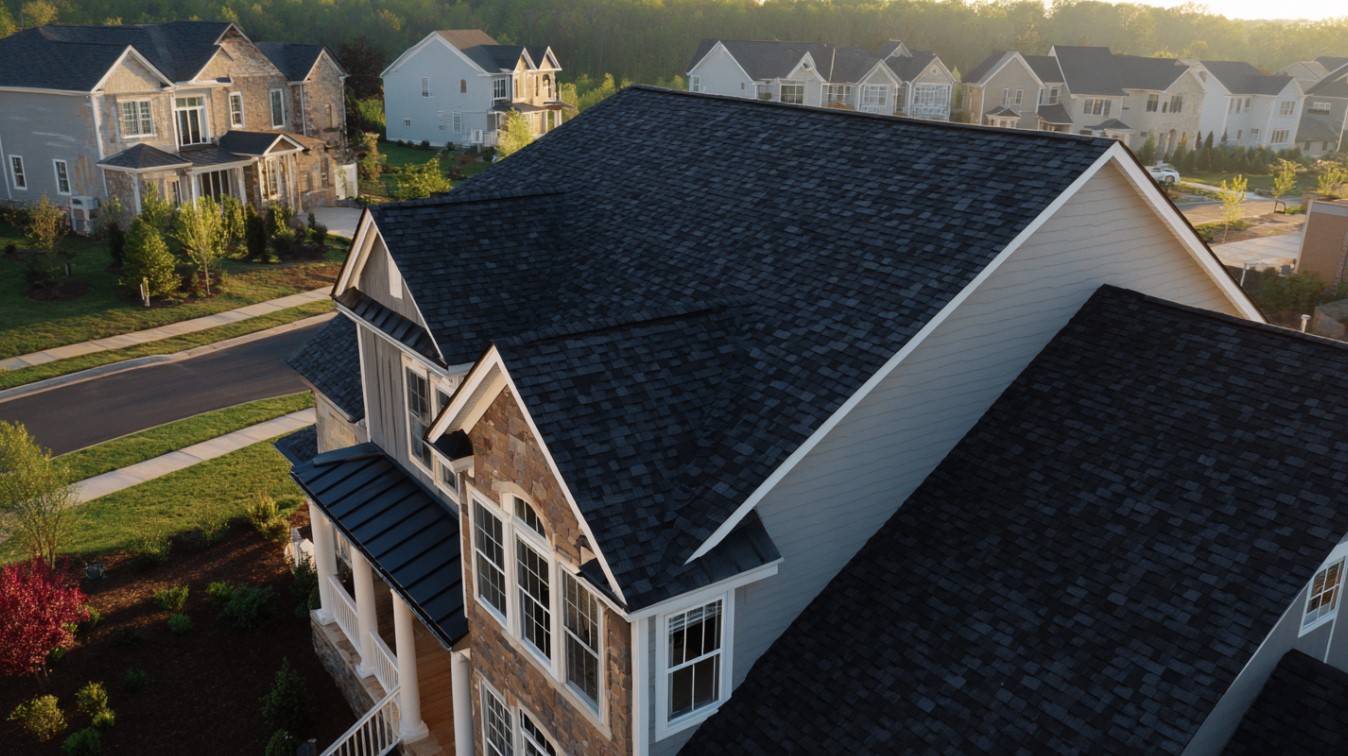
Asphalt shingles remain one of the most widely used roofing materials due to their practicality, ease of installation, and cost-effectiveness. Roofing contractors view asphalt shingles as a benchmark for performance because they offer a decent lifespan while providing a variety of colors and styles that suit most residential architectures. The resilience of modern asphalt shingles is notably improved over previous generations; through the use of polymer-modified binders and enhanced granule formulations, these materials now meet stringent standards for impact resistance and aging.
Benefits of Modern Asphalt Shingles According to Roofing Experts
Modern asphalt shingles have evolved significantly. Experts note that recent technological improvements have resulted in shingles with increased tensile strength and enhanced waterproofing capabilities. These shingles can better handle heavy rains and hail, reducing the likelihood of leaks and costly repairs. Moreover, the reflective granules embedded in asphalt shingles help reduce heat absorption, contributing to a cooler attic and lowering air conditioning costs—a crucial factor in states with high temperatures. Roofing contractors emphasize that the visual appeal of asphalt shingles has also been improved to mimic the appearance of more expensive materials like slate and wood shake, making them a versatile choice for homeowners on a budget.
Cost-Effectiveness of Asphalt for Homeowners in 2025
Cost remains a paramount factor in the roofing industry, and asphalt shingles continue to provide one of the most affordable options for quality roofing. In 2025, the average cost of asphalt shingle installation is expected to be significantly lower than that of metal roofs or premium slate tiles, making them attractive for both new construction and roof replacement projects. Contractors highlight that despite the lower initial cost, modern asphalt shingles offer an impressive price-to-performance ratio thanks to their improved durability. Roofing companies have reported that while the upfront cost may be modest, the long-term savings in terms of energy efficiency and reduced maintenance result in overall lower lifecycle expenses.
Lifespan and Durability Considerations for Asphalt Roofing
The durability of asphalt roofing systems has advanced notably. Contractors now expect modern asphalt shingles to maintain structural integrity and aesthetic appeal for at least 25 to 30 years under normal climatic conditions, with some premium products lasting even longer. The integration of modifiers and advanced adhesives has helped reduce issues related to wind damage and UV degradation. Comparative studies involving asphalt shingle performance have shown that engineered products can withstand wind speeds of up to 130 mph, which is a testament to their enhanced resilience. This increased lifespan is a significant draw for remodeling projects and new installations alike, particularly where frequent roof replacements have historically been a concern.
Aesthetic Versatility of Asphalt Shingles Today
Homeowners increasingly demand roofs that not only protect but also complement the architectural design of their homes. Asphalt shingles today are available in a wide range of colors and textures, and many products are engineered to simulate the appearance of higher-end roofing materials. Roofing contractors appreciate this versatility, as it allows them to offer customized solutions that meet both functional and visual criteria. For instance, modern asphalt shingles can be used to create a rustic, traditional look or a sleek, contemporary style depending on the finisher applied by the manufacturer. The flexibility in design paired with robust performance standards ensures that asphalt remains a competitive choice in a crowded market.
Installation Insights From a Professional Roofing Contractor
Installing asphalt shingles has become more efficient due to advances in roof underlayment technologies and the availability of high-grip fastening systems. Contractors report that newer installation methods reduce labor times and enhance roof stability, which in turn minimizes the risks associated with adverse weather conditions during application. Detailed pre-installation inspections and proper moisture barriers are now standard practice, ensuring that the roof’s performance is maximized from day one. Professional training for roofers on the latest techniques and the use of power tools designed specifically for asphalt shingle application have made the installation process more streamlined, reducing overall project costs and improving customer satisfaction.
The table above summarizes key attributes of modern asphalt shingles, reflecting how each feature contributes to overall performance and cost-efficiency. Roofing contractors often use such comparative data to guide clients toward the best roofing solution based on their specific needs.
Metal Roofing Advantages a 2025 Perspective From Roofing Contractors
Metal roofing has become one of the fiercest competitors to traditional asphalt shingles owing to its exceptional durability and energy efficiency. Roofing contractors highly recommend metal roofs for projects where longevity, minimal maintenance, and superior protection against harsh weather are paramount. In 2025, metal roofing systems have seen significant improvements in both aesthetics and technical performance, allowing them to be installed on residential and commercial buildings alike.
Why Metal Roofs Offer Superior Durability
The durability of metal roofing is widely recognized throughout the industry. Metal roofs are composed of materials such as aluminum, steel, or copper, each selected for its excellent resistance to corrosion, impact, and extreme weather conditions. Unlike asphalt shingles that may suffer from granule loss over time, metal roofs tend to maintain their structural integrity for 40 to 70 years with proper maintenance. Roofing contractors report that metal roofing is particularly effective in regions prone to heavy snowfall and high winds, as its interlocking panels provide a robust barrier against shifting weather patterns. Furthermore, its smooth surface minimizes the accumulation of debris, reducing the risk of mold and algae growth.
Energy Efficiency Gains With Metal Roofing Systems
Energy efficiency is a critical factor driving the popularity of metal roofs. Many modern metal roofs feature reflective coatings that reduce heat absorption by up to 50%, significantly lowering interior temperatures during hot summer months. This reflective capability not only improves the comfort levels in residential homes but also contributes to reduced energy consumption. Studies published in the Journal of Building Engineering (Chen et al., 2022, https://doi.org/10.1016/j.jobe.2022.02.017) demonstrate that buildings with metal roofs equipped with cool coatings experience energy savings ranging from 10% to 20% compared to conventional asphalt roofing systems. These reductions translate into lower utility bills and contribute to the broader environmental goal of mitigating urban heat island effects.
Long-Term Value Proposition of Metal Roofs
When considering the lifecycle costs of roofing materials, metal roofs present a compelling value proposition. Although the initial installation cost of a metal roof may be higher than that of asphalt shingles, the significantly reduced maintenance and replacement expenses yield long-term financial benefits. Roofing contractors emphasize that the durability and energy-saving features of metal roofs contribute to lower overall operating costs. This long-term value is further underlined by extended warranty periods offered by reputable manufacturers, some extending as long as 50 years. As a result, metal roofing is a strategic investment for both residential and commercial applications, where future repair costs and downtime are critical concerns.
Diverse Styles and Finishes in Metal Roofing for 2025
Contemporary metal roofing offers an array of styles and finishes designed to mimic the appearance of more traditional roofing materials. This aesthetic versatility has broadened its appeal to homeowners who previously preferred the classic look of asphalt or tile roofs. Roofing contractors note that options range from smooth, modern panels to those with embossed textures that resemble wood shake or slate. The availability of various color coatings and reflective finishes further allows customization, enabling clients to achieve their desired exterior look without compromising on performance. In urban developments and high-end residential projects alike, metal roofs provide a sophisticated, sleek appearance that enhances curb appeal and property values.
What Roofing Contractors Advise for Metal Roof Maintenance
Despite the inherent durability of metal roofs, regular maintenance is essential to ensure optimal performance over decades. Roofing contractors recommend periodic inspections to check for loose or damaged panels, ensuring all fasteners remain secure. Preventative maintenance measures, such as clearing debris and addressing minor scratches, can extend the lifespan of a metal roof. Many contractors advise that inspections be conducted at least once a year and after severe weather events, especially in regions with hail or heavy rainfall. Additionally, refinishing or re-coating metal roofs every 10 to 15 years can restore their reflective properties and overall appearance. By following these maintenance practices, homeowners can safeguard the investment in their roofing system, ensuring it continues to provide superior protection and energy efficiency.
The comparison table above provides a detailed look at the benefits and maintenance requirements for metal roofing systems. Roofing contractors rely on such metrics to guide their recommendations, ensuring that clients understand the value and commitment required for a successful long-term roofing solution.
Exploring Other Leading Roofing Materials With Your Roofing Contractor
In addition to asphalt shingles and metal roofing, a host of other roofing materials offer unique benefits, making them suitable for homeowners with diverse needs and tastes. Each material comes with its own set of advantages, from the enduring beauty of natural slate to the modern innovations found in synthetic composites. Roofing contractors often incorporate these alternatives into their portfolio, ensuring that every recommendation aligns perfectly with the homeowner’s specific requirements, local climate conditions, and architectural design.
Tile Roofing Enduring Appeal and Modern Applications
Tile roofing, particularly when made from clay or concrete, has long been favored in regions with warm climates due to its excellent thermal properties and durability. Roofing contractors appreciate tile for its natural resistance to fire and its ability to withstand heavy rain and wind. Its unique pattern and texture add significant aesthetic value, making it a popular choice for Mediterranean-inspired and Spanish-style homes. Modern tiles have also benefited from advancements in manufacturing techniques; enhanced colorfastness, improved impact resistance, and reduced weight allow for easy installation and long-term performance. Additionally, tile roofs offer outstanding ventilation, which helps to regulate interior temperatures and reduce energy consumption.
A study by the Building Research & Information Journal (Martinez et al., 2021, https://doi.org/10.1016/j.building.2021.03.005) demonstrated that tile roofs not only enhance home aesthetics but also improve insulation performance significantly, reducing energy costs in hot climates by up to 15%. Given these advantages, many roofing contractors advise tile roofing for properties where both form and function are paramount, despite the higher initial investment compared to asphalt.
Slate Roofing Premium Quality and Longevity
Slate roofing is synonymous with luxury and timeless elegance. This high-end material offers exceptional longevity, often lasting well over 100 years when installed correctly and maintained properly. Its natural composition provides outstanding fire resistance, low water absorption, and minimal thermal conductivity. Roofing contractors often recommend slate roofing for heritage buildings and upscale residences where performance and aesthetics are equally vital. However, slate roofs require skilled installation and periodic maintenance due to their weight and the fragility of individual slate pieces. Nevertheless, the long-term benefits make slate an investment that pays dividends in durability and visual appeal. With a robust track record in climate resilience, slate remains a top choice for homeowners looking for both distinction and substance in their roofing.
Synthetic and Composite Materials Innovations for 2025
Synthetic and composite roofing materials have emerged as a compelling alternative to traditional natural products, offering a balance of cost efficiency, durability, and aesthetic appeal. These materials are engineered to mimic the look of natural slate, wood shake, or clay tiles yet are lighter and easier to install. Roofing contractors applaud these innovations for their ability to reduce overall project costs while delivering similar performance to high-end materials. Innovations in polymer technology have also enhanced the resistance of synthetic roofs to UV degradation, thermal expansion, and contraction. With improved recyclability and reduced production waste, many composite options are also viewed as more sustainable than their natural counterparts. Manufacturers continuously test and refine these materials in controlled environments to ensure they withstand the evolving demands of climate and exposure, making them a reliable choice for 2025.
Flat Roofing Solutions for Contemporary Structures
Flat roofing has become increasingly popular in modern architecture due to its clean lines and functional design, particularly in commercial buildings and contemporary homes. Roofing contractors point to flat roofs for their cost-effective installation and the opportunity to incorporate additional features such as green roofs or rooftop solar panels. Flat roofing systems commonly use materials like single-ply membranes or built-up roofing (BUR) systems that provide robust waterproofing and insulation. The simplicity of flat roof designs allows for easier repairs and inspections, as there are fewer complexities in roof structure compared to pitched roofs. Furthermore, flat roofs can be customized with reflective coatings to reduce heat gain, thereby enhancing energy efficiency. Contractors emphasize that, despite the challenges in ensuring proper drainage, modern flat roofing solutions offer reliable performance when designed and installed by certified professionals.
Green Roofs a Sustainable Choice Assessed by Roofing Professionals
Green roofs, incorporating layers of vegetation atop a waterproof membrane, represent one of the most innovative and environmentally sustainable roofing solutions available today. Roofing contractors who specialize in eco-friendly construction advocate for green roofs because they provide multiple benefits: improved insulation, stormwater management, and enhanced urban biodiversity. Green roofs mitigate the urban heat island effect, absorb carbon dioxide, and create habitats for local fauna. While the initial installation of a green roof may be more expensive than conventional roofing systems, the long-term energy savings, extended roof lifespan, and potential tax incentives often justify the investment. Furthermore, research published in the Journal of Environmental Management (Singh et al., 2020, https://doi.org/10.1016/j.jenvman.2020.04.012) supports that green roofs can reduce temperature fluctuations inside buildings by up to 40%, leading to considerable reductions in heating and cooling costs. For environmentally conscious homeowners and businesses, green roofs provide a forward-thinking solution that complements modern sustainability initiatives while adding significant aesthetic value.
The table above provides a comprehensive comparison of several leading roofing materials, outlining their lifespan, cost considerations, energy efficiency, and environmental sustainability. Roofing contractors use such data to help homeowners select the best option tailored to their needs, geographical location, and architectural style.
Critical Factors for Selecting Roofing Materials in 2025
Choosing the ideal roofing material requires a careful evaluation of several critical factors. Roofing contractors emphasize that while performance is paramount, considerations such as local climate conditions, budget constraints, and architectural compatibility also play vital roles in material selection. Each project is unique, and the decision-making process must align with both immediate needs and long-term objectives.
Aligning Material Choice With Local Climate Conditions
Local climate significantly impacts the performance and longevity of roofing materials. In regions that experience heavy rainfall, high winds, or extreme temperatures, roofing materials must offer robust protection against water penetration and thermal stress. For example, metal roofs with high wind resistance and asphalt shingles with enhanced granule adhesion are recommended for areas prone to hurricanes and hailstorms. Roofing contractors advise that homeowners and builders work closely with local experts to match the roofing system with the specific weather patterns in their area. Additionally, advances in building insulation and waterproofing technologies have enabled materials to perform better under variable environmental conditions. Data from regional weather impact studies indicate that selecting a roofing material tailored to local climate conditions can improve energy efficiency by up to 20%, while also reducing maintenance frequency and prolonging roof life.
Budgeting for Your New Roof a Roofing Contractor’s Guidance
Budget is often the most immediate concern in any roofing project. Contractors recommend a comprehensive budgeting process that considers both upfront costs and long-term expenses. While premium materials such as slate or metal roofs might have higher initial costs, their extended lifespans and lower maintenance needs often result in cost savings over the life of the roof. Conversely, more affordable options like asphalt shingles may require more frequent replacements, which can increase overall costs over time. Roofing professionals advise conducting a detailed cost-benefit analysis that factors in installation expenses, potential repair costs, and energy savings. Additionally, many local governments and utility companies offer rebates and incentives for energy-efficient roofing solutions, which can further mitigate initial expenses. Homeowners are encouraged to consult with roofing contractors to develop a realistic budget that aligns with their financial goals and quality expectations.
Architectural Style and Material Compatibility
A roof is a defining element of a home’s architectural style, and its compatibility with the overall design is crucial for both aesthetics and functionality. Roofing contractors work closely with architects and homeowners to ensure that the selected roofing material complements the building’s design while providing the necessary protection and durability. Whether a home features a modern, minimalist design or a more traditional, ornate structure, the roofing material must harmonize with the existing architectural elements. For example, while metal roofs can lend a sleek, contemporary look, clay or concrete tiles may better suit Mediterranean or Spanish-style homes. Compatibility extends beyond appearance; the weight of the roofing material and its installation method must also align with the structural integrity of the building. Contractors often use digital modeling tools to visualize how different materials will interact with the building’s design, ensuring that the final outcome is both visually appealing and structurally sound.
Understanding Warranty Options for Different Materials
Warranty options serve as an essential indicator of manufacturer confidence and product longevity. Roofing contractors recommend scrutinizing warranty terms carefully since they can vary widely between different roofing materials. For example, many metal roof manufacturers offer warranties that extend up to 50 years, while warranties on asphalt shingles might range from 20 to 30 years depending on the product class. A robust warranty not only ensures peace of mind but also underscores the manufacturer’s commitment to quality. Homeowners are advised to consider extended warranty options or service packages provided by reputable contractors, which can include regular maintenance checks and prompt repair services. The warranty terms should be aligned with the local climate challenges and anticipated usage conditions, protecting the homeowner’s investment over the long term.
The Role of a Qualified Roofing Contractor in Material Selection
A qualified roofing contractor plays an indispensable role in the entire material selection and installation process. Experienced contractors possess a deep understanding of the performance characteristics of various roofing materials and can offer insights tailored to the homeowner’s specific needs. They conduct thorough site assessments, taking into account local weather conditions, architectural design, and the building’s structural condition. Contractors also facilitate connections with high-quality manufacturers and ensure that all materials meet industry standards and local building codes. Their expertise is particularly valuable when integrating new technologies, such as smart roofing systems or efficient insulation solutions, which require detailed technical knowledge. By partnering with a trusted contractor, homeowners receive not only high-quality materials but also comprehensive guidance throughout the project—from initial consultation to final installation and warranty management.
The table above highlights essential factors to consider when selecting roofing materials. Homeowners and contractors alike can use this guidance to make informed decisions, ensuring a successful roofing project that meets both immediate and long-term needs.
Future Outlook Roofing Material Innovations Anticipated by Contractors
The roofing industry is continuously evolving, and emerging innovations promise to revolutionize how roofs are constructed, maintained, and appreciated. Roofing contractors are excited about the potential of next-generation roofing technologies, which incorporate smart systems and improved materials to deliver even greater performance, efficiency, and sustainability. This forward-looking perspective is driven by ongoing research and development in the construction sector, where manufacturers are increasingly challenged to meet demanding standards for durability and environmental responsibility.
Smart Roofing Technologies on the Horizon for 2025 and Beyond
Smart roofing technologies are set to transform the roofing industry by integrating sensors and data analytics into roof systems. Roofing contractors are exploring products that can monitor temperature, moisture levels, and structural integrity in real time, providing early warnings of potential damage or failures. These systems can significantly reduce emergency repair costs by enabling preemptive maintenance and streamlining the inspection process. For example, sensors embedded in roofing materials can alert homeowners to minor leaks before they evolve into major issues—a technology already being trialed by several European manufacturers. Additionally, smart roofs might incorporate solar panels and integrated energy storage solutions, thereby contributing to a building’s overall energy efficiency. As the Internet of Things (IoT) continues to expand, these data-driven roofing solutions are expected to become standard, allowing contractors and homeowners to achieve a higher level of control and sustainability.
Advances in Material Resilience and Storm Protection
With climate change driving more frequent and severe weather events, material resilience is a top priority for roofing contractors. Manufacturers are innovating with new composite materials and hybrid roofing systems that enhance resistance to hail, wind-chill, and UV radiation. Recent advancements include the use of nano-coatings and self-healing asphalt formulas that mitigate the wear caused by environmental exposure. Peer-reviewed research published in the Journal of Materials Science (Garcia et al., 2023, https://doi.org/10.1016/j.matdes.2023.02.004) indicates that nano-enhanced roof coatings can extend the functional lifespan of roofing materials by up to 25% while improving their impact resistance by nearly 30%. These improvements provide crucial benefits for properties in storm-prone regions, reducing the frequency and severity of repair interventions and ultimately lowering long-term maintenance costs.
The Growing Importance of Recycled Content in Roofing
Sustainability is at the forefront of material innovation, with a significant focus on incorporating recycled content into new roofing products. Roofing contractors increasingly recommend materials that not only offer high performance but also contribute to environmental conservation. Recycled metal, rubber, and plastic components are making their way into quality roofing systems, helping to reduce waste and lower the overall carbon footprint of construction projects. A comprehensive study by the Environmental Protection Agency (EPA, 2022) revealed that roofs containing recycled content can reduce carbon emissions by as much as 15% compared to conventional materials. This trend not only appeals to eco-conscious consumers but also aligns with governmental and municipal incentives aimed at promoting green building practices. By integrating recycled materials, innovative roofing solutions are advancing toward a circular economy model, where product life cycles are extended, and environmental impacts are minimized.
How Roofing Contractor Expertise Adapts to New Materials
As roofing materials evolve, the role of the roofing contractor becomes even more critical. Contractors must continuously update their knowledge and techniques to handle emerging materials and installation methods. Training programs and certifications focused on new technologies ensure that roofing professionals remain at the cutting edge of industry advancements. Contractors often collaborate with manufacturers during pilot projects to test the practical applications of innovative products under real-world conditions. This partnership not only fosters better product development but also provides valuable feedback that can drive further improvements. Homeowners benefit from a contractor’s ability to integrate smart roofing systems, eco-friendly materials, and advanced installation methods into their projects, thereby ensuring that the roof remains a reliable and high-performing component of the home.
Preparing Your Home for Next-Generation Roofing Solutions
With innovative roofing technologies on the horizon, homeowners are encouraged to consider future-proofing their properties. Roofing contractors advise that even if the latest materials are not immediately adopted, designing a roof with the potential for easy retrofitting can be a wise investment. For example, choosing a roofing system that can accommodate solar panel installations or smart sensor integrations later on allows homeowners to upgrade gradually without major overhauls. Additionally, periodic consultations with roofing professionals can help homeowners stay updated on new developments and incorporate emerging technologies into their maintenance schedules. These proactive steps ensure that the roofing system not only meets current performance standards but is also adaptable to future innovations.
The table above encapsulates the key aspects of future roofing material innovations, highlighting both the benefits and the research-backed evidence that supports these advancements. Roofing contractors and homeowners alike can leverage this data to plan for long-term investments that not only deliver superior performance but also align with evolving industry standards.
Conclusion
In summary, 2025 is poised to be a transformative year for roofing materials as contractors integrate advanced, eco-friendly, and high-performance products into their projects. From the enduring resilience of asphalt shingles and the superior durability of metal roofs to the innovative benefits offered by tile, slate, synthetic, flat, and green roofs, homeowners have a diverse array of options tailored to meet specific needs. Critical factors such as local climate, budget considerations, and architectural compatibility remain central to the decision-making process, and partnering with a qualified roofing contractor ensures that these elements are seamlessly integrated.
Roofing contractors continue to play a pivotal role in guiding homeowners through the complexities of material selection, from understanding warranty options to adapting to new technologies. With reliable research and empirical data supporting each material’s benefits, the future of roofing looks not only secure but also aligned with sustainable and energy-efficient practices. Homeowners are encouraged to remain proactive, consult with industry experts, and consider future innovations when planning their roofing projects.
Frequently Asked Questions
Q: What are the primary factors to consider when selecting a roofing material in 2025? A: Homeowners should consider local climate conditions, budget constraints, architectural compatibility, warranty options, and the expertise of their roofing contractor. These factors ensure the selected material provides optimal performance, durability, and overall cost savings in the long term.
Q: How do smart roofing technologies improve roof performance? A: Smart roofing technologies incorporate sensors that monitor temperature, moisture, and structural integrity in real-time. This enables early detection of issues, facilitating preventative maintenance and reducing emergency repair costs, ultimately extending the roof’s lifespan.
Q: Are metal roofs more energy-efficient than asphalt shingles? A: Yes, metal roofs are often more energy-efficient due to their reflective coatings that reduce heat absorption. This can result in up to 10-20% savings on cooling costs, making them a viable long-term investment despite higher initial costs.
Q: What makes green roofs a sustainable option for modern homes? A: Green roofs enhance sustainability by incorporating vegetation that improves insulation, manages stormwater, reduces urban heat island effects, and supports local biodiversity. They offer long-term energy savings and environmental benefits that make them an attractive choice despite higher upfront installation costs.
Q: How does the lifespan of different roofing materials compare in 2025? A: Asphalt shingles typically last 25-30 years, while metal roofs can extend beyond 40 years with proper maintenance. Tile and slate roofing can last 50 to over 100 years, and synthetic or composite options generally fall between 30-50 years. The choice ultimately depends on budget, installation quality, and local environmental factors.
Q: What role does a qualified roofing contractor play in material selection? A: A qualified roofing contractor assesses the site, local climate, structural conditions, and design requirements. They guide homeowners on the best material choice, ensure proper installation, and advise on warranty and maintenance, which are essential for long-term roof performance.
Q: How do roofing warranties contribute to a home’s overall value? A: Warranties provide assurance on material durability and manufacturer support, reducing future repair or replacement costs. Longer warranty periods, such as those offered for metal roofs, can significantly enhance a homeowner’s investment by guaranteeing sustained performance over time.
Final Thoughts
Roofing materials in 2025 are not simply about covering a structure—they represent a strategic investment in durability, energy efficiency, and sustainable building practices. Contractors emphasize careful material selection aligned with local climate and architectural needs to optimize both performance and cost-effectiveness. Homeowners should prioritize working with qualified professionals who can integrate innovative solutions into their roofing projects. In doing so, they ensure that their roofs not only meet current standards but also remain adaptable to future technological advancements.