Understanding Roofing Contractor Costs: Key 2025 Factors
•
Written By

Roofing Contractor Costs in 2025: What Homeowners Need to Know
The roofing industry is evolving rapidly as material prices, labor costs, and economic trends continue to shape the market. In 2025, homeowners should anticipate fluctuations in roofing contractors’ quotes due to shifting material costs, changes in labor rates, and the complexity of roof designs. This article serves as a comprehensive guide for understanding the various factors driving roofing prices, comparing the expected costs of popular roofing materials, and offering practical advice on obtaining clear quotes and planning your finances for roof repairs or replacement, such as new roof cost clermont. It also explains how selecting the right contractor can not only ensure value and quality today but also reduce future expenses. Overall, the information presented here is essential for homeowners searching for the most reliable and cost-effective roofing solutions from local roofing contractors and trusted roofing companies.
Transitioning from the general market landscape, the following sections delve deeply into specific elements that influence roofing contractor costs in 2025.
Key Elements Influencing Roofing Contractor Prices in 2025


Understanding what drives the cost of roofing projects is crucial for homeowners planning any repair or replacement in 2025. One primary element influencing the final bill is the projected material price shifts. With global supply chain disruptions and increasing raw material costs, the price of roofing components such as asphalt shingles, metal panels, and sustainable alternatives is expected to fluctuate. These shifts mean that homeowners might face higher upfront costs even if the quality remains consistent. Detailed market studies forecast that some materials could see price increases in the single-digit percentages, while others may stabilize due to economies of scale.
Labor rates also play a significant role in setting roofing contractor prices. Skilled tradespeople are in higher demand, and with labor shortages affecting many industries, roofing contractors are likely to pass increased wage costs onto clients. Contractors with reputable performance records often employ experienced workers, which may result in higher bids but also better workmanship and lower risk of future trouble. The correlation between rising labor costs and project complexity accentuates the need for clear, detailed labor estimates when reviewing contractor proposals.
The intrinsic characteristics of a roof—including its dimensions and design intricacies—is another determinant of expense. Larger roofs or those with steep pitches, multiple slopes, or specialized architectural features require significantly more time and resources to install or repair. This complexity not only influences material usage but also directly affects the duration and labor intensity of the project. Contractors calculate such factors with precision to ensure that every element, from safety harnesses to specialized equipment, is taken into account.
Regional variations further affect roofing contractor estimates. In urban centers with higher living costs or in regions prone to extreme weather conditions, pricing may escalate due to both increased overhead and the higher risk involved. Different local regulations and permitting fees also contribute to regional cost differences. In some areas, more stringent building codes further complicate roof installations, pushing prices upward relative to more relaxed regions.
Finally, broader economic trends such as inflation, interest rate fluctuations, and changes in public policy regarding construction can heavily influence roofing budgets. When the overall economy experiences pressure, both material and labor expenses tend to creep upward. Homeowners must therefore monitor these macroeconomic indicators closely as they plan their projects. Balancing quality roofing with economic reality is essential for securing long-term durability and minimizing future repair costs.
Comparing Expected Costs of Popular Roofing Materials in 2025

In 2025, roofing material choices will directly affect the overall cost of your project as costs vary widely among materials. Asphalt shingles, which have long been popular among homeowners for their affordability, are expected to see some price fluctuations. The anticipated price range for asphalt shingle installations might vary from the lower end for basic materials to higher prices when premium blends are chosen. Homeowners can expect not just increased costs per square foot but also potential additional fees for installation techniques meant to improve durability, such as enhanced waterproofing measures.
Metal roofing projects, on the other hand, offer a higher initial investment but are renowned for their longevity and energy efficiency. The investment outlook for metal roofs is generally positive, with many contractors forecasting a relatively stable cost due to steady domestic production and competitive pricing. Metal roofs offer significant benefits over traditional shingle roofs by providing higher resistance to weather extremes and lower long-term maintenance expenses. However, the upfront expenses will reflect the high-quality materials and specialized installation methods required for a proper and secure fit.
Tile roofs, frequently favored for their aesthetic appeal and durability, also introduce a unique pricing consideration for homeowners. Although the raw material costs for tile roofing are higher, particularly when using imported or artisan tiles, the overall cost might be balanced by the increased lifespan of the roof. Tile installation is labor-intensive and requires a longer installation window, factors that further add to the overall cost for homeowners. Detailed estimates suggest that while tile roofing offers excellent thermal performance and a classic appearance, its expense must be carefully weighed against budget constraints.
Flat roofing systems, a common choice for commercial buildings and increasingly popular among modern home designs, have a different expense structure altogether. The cost structures for flat roof installations are characterized by a combination of specialized materials, such as modified bitumen or TPO membranes, and the need for precise, low-slope installation techniques. These installations demand high levels of skill and careful quality control to prevent issues like water pooling, which can lead to premature deterioration.
Sustainable roofing options, which include green roofs and solar-integrated systems, are becoming more prevalent. While these solutions may require a higher capital investment initially, they promise significant long-term savings through energy efficiency gains and potential tax benefits. Moreover, sustainable roofing can enhance your property’s resale value by appealing to environmentally conscious buyers. Advanced building insulation and waterproofing technologies in these systems often justify the premium cost due to their ability to reduce future energy bills and maintenance needs.
Below is a table comparing these roofing materials, providing an overview of their cost implications, lifespan, and key benefits:
This detailed comparison helps homeowners assess which roofing material best fits their budget, desired longevity, and functional needs, ensuring informed decisions when choosing a roofing contractor.
Obtaining Clear and Comprehensive Quotes From a Roofing Contractor
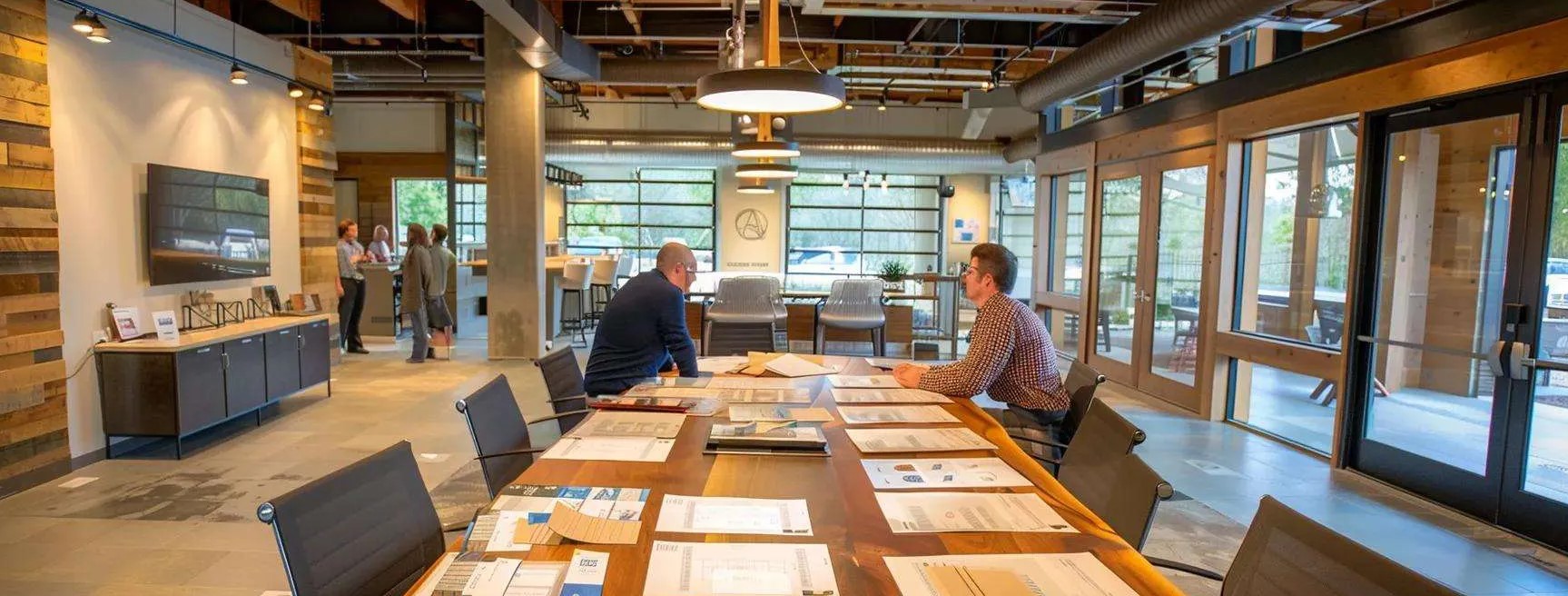
Securing a clear and comprehensive quote is essential when planning your roofing project in 2025. Homeowners should expect to receive detailed estimates that break down every cost component. A thorough roofing estimate should include an itemized list of materials, labor wages, permit fees, and any additional charges for special services such as waterproofing enhancements or premium insulation. Clear quotes prevent unexpected expenses later in the project and allow for better budgeting.
One of the foundational components of a roofing estimate is understanding the elements that contribute to the total cost. Components of a thorough roofing estimate for 2025 projects include the cost of materials, such as different types of shingles or metal panels, installation fees, disposal fees for old roofing materials, and even ancillary costs such as scaffolding rental or debris management. Each component should be explicitly accounted for so that homeowners have a complete picture of the expenses involved.
Equally important is the need to ask essential inquiries to your roofing contractor regarding their proposal. Homeowners should ask about the warranty offered on both the materials and the installation, inquire about insurance coverage, and seek clarification on the timeline for the project. In addition, obtaining details on the contractor’s safety protocols during installation is crucial. Understanding if there are any hidden fees such as extra charges for emergency repairs or additional labor costs due to unforeseen complications is essential. Such inquiries help avoid surprises and facilitate smoother project management.
When evaluating multiple roofing contractor bids, it is beneficial to compare each quote on a like-for-like basis. Methods for evaluating these bids include a detailed checklist where factors such as pricing, contractor experience, client testimonials, and the clarity of the breakdown are compared. Homeowners can also seek recommendations from local roofing companies and check online reviews to gauge reliability. This systematic comparison ensures that you choose a contractor who not only offers competitive pricing but also demonstrates a track record of quality work.
Another vital skill is spotting unforeseen fees in roofing service agreements. Occasional hidden costs can include additional charges for extra labor if weather delays occur, disposal fees that were not initially disclosed, or costs for extra safety measures during high-risk installations. Careful review of the contract and discussing these potential extra fees upfront will empower homeowners to negotiate better terms. Finally, making sense of roofing contractor payment schedules and understanding if payments are linked to project milestones can help manage cash flow and protect against incomplete work. A well-structured payment plan ensures that funds are released in sync with project progress, providing security for both parties.
A detailed checklist and comparison process can be further visualized in the table below:
By obtaining transparent quotes and rigorously comparing bids from reputable local roofing contractors, homeowners can significantly reduce the risk of cost overruns and ensure that their roofing project is completed with both quality and financial efficiency in mind.
Planning Your Finances for a 2025 Roof Replacement or Repair

When preparing for a roof replacement or repair in 2025, establishing a solid financial plan is critical to manage expenses, avoid disruptions, and ensure long-term home protection. The first step is to set up a workable budget based on current market bids and anticipated price trends. Homeowners should consider not only the initial installation or repair costs but also ancillary costs such as permits, cleanup fees, and potential adjustments due to unforeseen complications during the project.
Establishing a workable budget for your upcoming roofing work requires accounting for every detail. Begin by reviewing recent quotes for similar projects from trusted roofing contractors in your area. Make a close estimation of the overall project cost by adding a buffer (usually around 10 percent) for unexpected expenses. With insurance considerations and maintenance packages in mind, a well-planned budget could mean the difference between a smooth project and financial strain later on.
Funding large-scale roofing expenditures often requires exploring various financial avenues. Avenues for funding significant roofing expenditures may include home improvement loans, refinancing options, or special financing programs offered by some roofing companies. Additionally, some insurance policies cover a portion of the repair expenses if the damage was caused by insured events, such as hail or storm damage. Evaluating all your options with the help of financial advisors can provide clarity and lead to better financial decisions. Homeowners are advised to research local state roofing incentives or tax credits that may offset costs for installing energy-efficient roofs, thereby reducing the long-term financial burden.
Smart approaches to manage your roofing project expenses include regular roof maintenance, periodic inspections, and addressing minor issues promptly. Financial upsides of addressing roof issues promptly cannot be overlooked: small repairs handled early can prevent major damage, thereby saving on more costly repairs or full roof replacements in the future. Preventative measures, such as routine cleaning and maintenance by reliable local roofing contractors, not only preserve the life of your roof but also improve property value. Developing a comprehensive financial plan that includes both expected costs and contingencies will empower homeowners to manage their roofing project expenses effectively.
Another essential factor in planning finances is factoring in long-term value when selecting a roofing contractor. The initial cost might be higher for a contractor with proven reliability, but the long-term benefits—such as extended durability, lower repair frequency, and robust warranties—often justify the extra upfront investment. Examining long-term value includes reviewing case studies, homeowner testimonials, and industry reports to assess whether higher costs translate into better overall performance and fewer financial surprises down the line.
Below is a detailed list of smart financial planning approaches for roof work, with each item elaborated:
Budget Analysis and Buffering: Conduct a thorough cost analysis by obtaining multiple quotes and adding a 10-15% contingency fund to cover unforeseen expenses. This proactive measure ensures that homeowners are not caught off guard by unexpected charges, safeguarding financial stability throughout the project.
Exploration of Financing Options: Identify and compare different financing avenues such as home improvement loans or special contractor financing packages. This includes reviewing interest rates, repayment terms, and any applicable state or local incentives that may offset the project costs.
Insurance Review and Claims: Assess current homeowner insurance policies to determine if the roofing work qualifies for a claim or subsidy. This step can significantly reduce the out-of-pocket expense, particularly in regions prone to weather-related damages.
Long-Term Value Consideration: Prioritize contractors who offer longer warranties and superior workmanship. Though their rates may be higher, the extended longevity and lower maintenance demands translate into substantial savings over the roof’s lifetime.
Maintenance and Preventative Repairs: Invest in regular roof inspections and maintenance plans. Promptly addressing minor issues can mitigate the risk of severe damage and avoid the need for costly emergency repairs, effectively preserving your roof’s lifespan and lowering overall costs.
By following these structured financial strategies and maintaining a comprehensive budget, homeowners can confidently plan for a roof replacement or repair in 2025, ensuring that every aspect of the investment—from the initial outlay to long-term savings—is thoroughly accounted for.
Selecting a Dependable Roofing Contractor for Value and Quality in 2025

Choosing the right roofing contractor is not solely about looking for the lowest bid; it’s about securing a partner who offers reliability, top-quality workmanship, and strong post-project support. First and foremost, confirming a roofing contractor‘s licensing and insurance for peace of mind should be a non-negotiable step. A contractor who is fully licensed and properly insured demonstrates compliance with local regulations and mitigates the risk of liability for any damage or accidents occurring during the project. Homeowners are advised to verify credentials through state databases or local regulatory bodies to ensure the contractor‘s legitimacy.
Equally crucial is evaluating a roofing contractor’s track record and client feedback. Reading past reviews, checking project portfolios, and asking for referrals from previous clients are invaluable methods for assessing a contractor‘s reputation. Contractors who have completed multiple projects successfully are more likely to provide consistent quality and timely service. Evaluating customer testimonials and speaking directly with past clients can reveal insights into the contractor’s reliability, communication skills, and overall performance. Additionally, verifying the contractor’s commitment to quality by examining previous warranty claims and how effectively they were resolved can serve as a strong indicator of future performance.
Understanding warranty protections from your roofing contractor also plays a significant role. A dependable contractor will offer robust warranties on both materials and workmanship. These warranties not only secure your investment but also provide recourse if defects or issues arise after installation. Long-term warranty commitments signal that the contractor is confident in the durability and quality of their work. Homeowners should carefully read through the terms, noting the duration and coverage details, before finalizing any contract.
It is equally important to be aware of warning signs when hiring a roofing service company. Warning signs can include unprofessional communication, lack of detailed written estimates, pressure tactics to secure a quick decision, and ambiguous contract terms. A contractor with poor organizational practices or a history of litigation should be avoided at all costs. Transparency during the quoting process, clear negotiations regarding change orders, and a structured project timeline are all markers of professionalism that should not be overlooked. Furthermore, a skilled roofing contractor can prevent future costs by identifying potential issues in advance, recommending high-quality materials, and executing precise installations that minimize the likelihood of repairs or replacements in the future.
For homeowners, selecting a contractor is about balancing cost with quality to achieve optimum long-term value. A trusted roofing contractor not only completes the job but also helps in maintaining the roof’s integrity over the years through expert advice and ongoing maintenance schedules. They may offer periodic inspections, seasonal maintenance packages, and updates on new technologies or materials that can further enhance the durability of the roof.
A strategic way to evaluate potential contractors is to create a checklist, which might include verifying licensing, checking insurance certificates, reading client reviews, assessing warranty details, and ensuring transparency in pricing. Following this checklist with due diligence will help homeowners navigate the selection process effectively and avoid contractors whose practices might lead to higher costs or inferior work over time.
Future Projections for Roofing Service Expenses Beyond 2025

Looking ahead beyond 2025, several factors are poised to shape the future expenses associated with roofing services. Emerging technologies, such as drones for precise roof measurements, AI-driven project management tools, and advanced material testing methods, could significantly alter what roofing contractors charge. These technological integrations promise increased efficiency and potentially lower overall project costs long-term by reducing errors and streamlining labor processes. Contractors who invest in such new technologies may charge a premium today but could also offer maintenance services at a lower overall cost in the future.
The influence of green building practices on future roofing prices is another critical factor. As environmental regulations become more stringent and the demand for sustainable construction grows, roofing materials that incorporate eco-friendly properties, such as solar integration or recycled components, are expected to rise in prominence. Although these sustainable options often come with a higher cost today, their benefits in terms of energy savings and environmental impact may result in significant long-term savings. Homeowners and contractors alike are likely to see a shift in market demand that could influence pricing structures, leading to a gradual normalization of costs related to sustainable technologies.
Preparing for ongoing roof care and associated expenditures is essential, as the concept of a roof is evolving from a static installation to a dynamic element of the home’s overall infrastructure. Ongoing roof care, including periodic inspections and preemptive repairs, is increasingly viewed as a necessary expense that can extend the lifespan of a roof and preserve property value. Contractors are also likely to offer comprehensive maintenance plans that bundle routine inspections with minor repairs and emergency services, thus providing predictable budgeting over the years.
Anticipating changes in building codes affecting roofing contractor work remains a challenge. With building codes constantly updated to meet new safety, efficiency, and environmental standards, roofing contractors may face increased business costs related to compliance. These changes can translate into higher bids submitted to reflect the cost of new safety measures, enhanced material standards, or additional documentation and testing. Homeowners should collaborate with contractors who are proactive in keeping abreast of these changes and can clearly articulate how future building code updates might impact overall project costs.
Finally, the role of supply chain stability in future roofing material costs cannot be understated. Global economic fluctuations, trade policies, and technological advancements in manufacturing will all impact material availability and pricing. A stable supply chain will likely help moderate price increases, but any disruptions can lead to shortages and inflated costs. Contractors who have established robust supplier relationships and diversified their material sources may provide more stable pricing, offering an advantage to homeowners looking for cost predictability.
Developments in technology, eco-friendly practices, maintenance models, regulation