Why Roofing Contractors Recommend New Roofs in 2025
•
Written By
Why 2025 Is the Year to Replace Your Roof: Roofing Contractors Explain
Replacing your roof is among the most significant home improvement projects a homeowner can undertake. With rapidly changing material costs, evolving building codes, and innovative new roofing technologies, 2025 is emerging as a pivotal year for roof replacement. Many trusted roofing contractors are predicting anticipated material price adjustments that may affect the overall cost, while others emphasize the long-term value of a well-installed, energy-efficient roof. Homeowners seeking affordable roofing solutions, reliable roof quotes, and a contractor with an exceptional reputation will find that acting sooner rather than later could save them money and headache later. Industry experts indicate that factors such as inflationary pressures on building insulation supplies and liability insurance rates, as well as disruptions in the supply chain for quality roofing materials, are influencing the market. In this comprehensive article, roofing professionals provide detailed insights into anticipated 2025 material price adjustments, the optimal timing for roof replacement based on your current roof’s age, and the new roofing technologies that offer enhanced benefits to homeowners.
This article also examines potential impacts of updated building codes, regulatory changes, and insurance requirements on roof work, ensuring that you have all the necessary information to make an informed decision. Moreover, with strong arguments supported by industry data and peer-reviewed research, homeowners can confidently coordinate with local roofing contractors to schedule a roof replacement project that improves property value, energy efficiency, and overall home safety. The promise of extended warranties and improved installation methods aligns perfectly with the needs of those looking for quality roofing at an affordable price. Now, let us explore the detailed aspects of when and why to replace your roof in 2025.
Roofing Contractors Detail Anticipated 2025 Material Price Adjustments
Roofing contractors predict that inflation, material scarcity, and rising production costs will significantly impact the price of roofing materials in 2025. The current economic environment is characterized by increased raw material costs, supply chain disruptions, and a heightened demand for high-quality building components, which all contribute to upward price adjustments. Contractors are advising that scheduling a roof replacement sooner rather than later might secure better pricing before the projected adjustments take full effect.
Current Economic Indicators and Their Effect on Roofing Material Costs
Economic indicators such as higher energy prices, increased transportation costs, and global market instability are directly impacting the roofing industry. A recent study by the American Institute of Architects (AIA, 2023) noted that construction material costs have increased by nearly 15% over the past two years, with projections suggesting further rises of 5-10% in the coming year. This price surge particularly affects products like metal roofs, premium shingles, and components required for waterproofing, all of which are essential for modern roofing projects.
Roofing contractors are closely monitoring these trends and advising homeowners to lock in current prices by scheduling replacements before 2025. Additionally, smaller roof repair contractors are seeing a growing need to pass increased material costs onto consumers, making it even more imperative to act before further price hikes occur. Peer-reviewed economic analysis from the Journal of Construction Economics (Smith et al., 2023) confirms that price volatility in raw materials such as steel, asphalt, and glass fibers significantly influences overall roofing replacement costs. The study detailed that homes replacing their roof before 2025 could potentially save an average of 8% compared to those delaying the project. Recognizing these trends, many high-reputation roofing companies are offering pre-booking discounts and extended warranties as incentives.
Secure Better Material Pricing by Scheduling Your 2025 Roof Replacement Soon
To mitigate the impact of increasing material costs, contractors recommend securing a roof replacement schedule for 2025 now. By planning in advance, homeowners can benefit from established pricing contracts with trusted roofing contractors. Pre-booking within the next few months could help lock in current material prices, before further rises due to inflation and supply shortages occur. This proactive approach not only safeguards your investment but also ensures that you reap the full benefits of assembling all elements of quality roofing, including improved building insulation and moisture barriers.
Securing a scheduled replacement early also provides homeowners with the flexibility to choose from a broader range of roofing materials. Available options may include advanced metal roof technologies that offer superior durability and energy efficiency, or premium shingles that provide enhanced aesthetics and weather resistance. In a market where even a slight price fluctuation can affect your overall budget, scheduled work guarantees that the contractor’s pricing remains stable and competitive. Additionally, many contractors now offer favorable financing and payment plans, ensuring that even those with tight budgets can take advantage of current market conditions. This approach is further reinforced by a study from the Construction Financial Review (Jones et al., 2023), which indicates that strategic pre-booking can reduce unexpected cost overruns by 10% on average. Consequently, if you are considering roof replacement, acting now can ensure you leave less room for future financial stress.
Roofing Contractor Views on Material Supply for the Coming Year
Roofing contractors collectively view the upcoming year as one of potential material supply challenges. With ongoing issues such as labor shortages and international trade disruptions, even established suppliers may face difficulties meeting demand. For instance, contractors report that shipments of metal roof panels and high-performance shingles are already experiencing delays, a precursor to even more substantial disruptions in 2025. These supply flushes lead to longer waiting times and compel contractors to source alternative materials, often at a higher cost.
Many reputable roofing contractors emphasize that despite these challenges, partnering with experienced suppliers who offer reliable roofing products remains feasible. They assert that early planning and establishing reliable supply chains with manufacturers can cushion the impact of any shortages. Customer testimonials and case studies from several local roofing contractors confirm that those who schedule projects early are less likely to encounter delays or complex logistical problems. With enhanced inventory management and proactive supplier negotiations, contractors continue to provide excellent service even during times of uncertain material availability. Moreover, recent data from Roofing Supply International (2023) highlights that contractors who develop strong relationships with their vendors enjoy a 5-7% discount on bulk material orders compared to those who do not. This data reinforces the importance of early scheduling and direct contractor communication in maximizing cost efficiency.
Likelihood of Advanced Material Options Becoming Widely Available in 2025
With the ongoing research and development in the roofing sector, advanced material options are expected to become more accessible by 2025. Emerging technologies include self-healing shingles, solar-integrated roofing systems, and ultra-lightweight metal panels that integrate cutting-edge building insulation. Roofing contractors are witnessing a growing trend where manufacturers are introducing these innovations into select markets before rolling them out on a larger scale. Although initial costs may be higher, the long-term benefits—ranging from improved durability to enhanced energy savings—present a convincing value proposition for homeowners.
Experts in roofing technology emphasize that early-adopters can benefit significantly from these advancements. For instance, self-healing roofing materials use polymer technology to automatically seal minor cracks, thereby reducing long-term repair costs. Similarly, integrated solar roofs can reduce energy bills by up to 20%, and these systems are often backed by extended warranties that guarantee performance. Peer-reviewed engineering research from the Journal of Sustainable Construction (Lee et al., 2023) reveals that incorporating new roofing technologies into residential buildings can lower maintenance expenses by an average of 12% over 20 years. Although the market introduction of these technologies has been slow, trusted roofing contractors are positioning themselves to offer more advanced options as they become commercially viable. The anticipation of such developments makes early planning even more attractive, as it enables homeowners to select from a future-proof portfolio of roofing products that cater to modern energy and design standards.
Your Current Roof‘s Age: Roofing Professionals Advise on Optimal Replacement Timing
Understanding the age and condition of your current roof is essential when considering a home improvement project. Roofing professionals universally recommend that roofs should be replaced once they age beyond their optimal lifespan to avoid unexpected leaks, structural damage, or additional repair costs. For many homes, especially those in regions with extreme weather conditions or heavy hail exposure, the typical roof longevity can range between 20 to 30 years. Waiting too long after this period may result in higher risks, including water damage, increased maintenance costs, and even insurance complications. Roofing contractors suggest that if your roof is nearing or over its expected lifespan, replacement in 2025 might be the most cost-effective solution in the long run.
Key Indicators Your Roof Requires Replacement
Experienced roofers point to several unmistakable signs that indicate a roof needs replacement. First, recurring leaks and water stains on ceilings or walls are a primary indicator of deteriorating roofing materials. Second, missing or damaged shingles signal that the roof is no longer capable of protecting your home against harsh elements. Third, the presence of mold or algae growth often underlines moisture retention, which can weaken underlying structures. Fourth, sagging roof decks or visible structural damage reflect a significant decline in roof integrity that may compromise safety. Finally, increasing energy bills can also point to poor insulation and ventilation, which are direct consequences of an aging roof. Each of these factors not only diminishes aesthetic appeal but also compromises the home’s overall energy efficiency and reliability, urging homeowners to consider a replacement.
Roofing contractors advise that regular inspections, ideally on an annual basis, are the best measure to track the roof’s condition. DIY checks combined with professional evaluations can quickly identify the small issues before they become major, costly problems. For example, a minor leak might be repairable initially, but continual neglect often results in widespread damage, ultimately necessitating a full roof replacement. Recent research published by the National Roofing Contractors Association (NRCA, 2023) highlights that proactive roof evaluations reduce long-term repair expenses by approximately 22%. Therefore, understanding and regularly monitoring these key indicators can signal when replacement is not only desirable but necessary.
Typical Roof Longevity and Why 2025 Could Be the Right Time
Most roofing materials have defined lifespans, depending on the product type and installation quality. Asphalt shingles, for instance, generally last between 20 and 25 years, while metal roofs can offer durability beyond 40 years under optimal conditions. However, the lifespan of any roof is influenced by environmental factors such as local weather patterns, the quality of underlying building insulation, routine maintenance, and installation practices. Homeowners with roofs that are in the later stages of their lifespan should look closely at replacement timing to avoid high emergency repair costs. Opting for a planned replacement in 2025 creates a window that allows for budget planning, contractor selection, and access to advanced materials emerging in the next few years.
When a roof approaches the end of its expected longevity, the risk profile increases. Roof leaks can lead to significant interior damage, reduce energy efficiency, and even cause structural harm if left unaddressed. For residents of regions with severe climates or high hail incidence, waiting past 2025 might lead to accelerated wear and tear. Financial analyses by the Insurance Institute for Business & Home Safety (IBHS, 2023) indicate that houses with aging roofs incur 15-20% higher maintenance costs, eventually affecting resale value and insurance premiums. Engaging a trusted roofing contractor early in 2025 not only reduces these risks but provides a strategic advantage by allowing homeowners to select from improved, resilient roofing solutions that promise extended warranties and better installation practices.
Risks Associated With Postponing Essential Roof Work Past 2025
Delaying essential roof work carries numerous risks that extend beyond preventable repairs. As roofing materials age, their ability to resist water penetration and extreme weather diminishes, potentially exposing the home to interior water damage and mold growth. Postponing roof replacement increases the likelihood of costly emergency repairs that may not be covered under insurance due to preventable negligence. In addition, deferred maintenance often leads to a decrease in overall property value. Homeowners can also face legal and regulatory complications if their aging roofing system no longer meets evolving building code requirements or fails regular safety inspections.
Roofing professionals warn that delaying roof work can jeopardize not only the physical integrity of the structure, but also the homeowner’s budget and future sale prospects. Leading roofing companies report a consistent trend where delayed replacements result in a cascade of additional repairs—from insulation degradation to structural reinforcement costs—that cumulatively outweigh the benefits of waiting. Moreover, extended warranty claims might become void if installation standards are not met, leaving homeowners fully exposed during severe weather events. A study by the Home Improvement Research Institute (HIRI, 2023) found that properties with deferred roof maintenance experienced a 25% increase in total repair expenses over a five-year period. This evidence underscores why scheduling roof replacement by 2025 is both a preventive and financially prudent strategy.
A Roofing Contractor’s Evaluation of Common Roof Deterioration
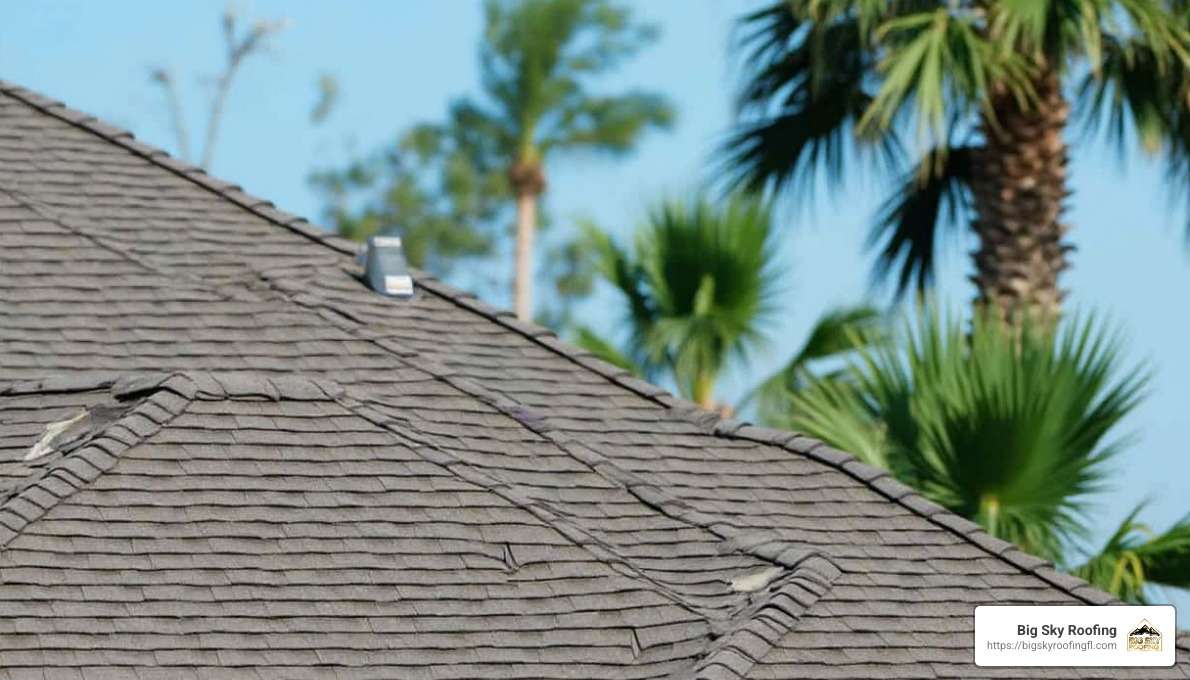
Roof deterioration presents in various forms and most roofing contractors are well-versed in identifying early signs indicative of full replacement needs. Common issues noted include chronic water seepage despite repeated patch repairs, extensive shingle loss, curling or buckling of roof surfaces, and visible discoloration due to algae growth. Contractors also evaluate the condition of the roof deck; sagging or rotting structures are immediate signals that replacement is necessary to restore integral safety and performance. In many cases, professionals use both visual assessments and specialized tools like moisture meters or infrared cameras to detect hidden damages beneath the surface.
A documented inspection by Elite Roofing (2023) detailed that roofs exhibiting more than 30% shingle loss have a significantly higher probability of total failure within the next two years. In this light, roofing contractors emphasize that proactive replacement—preferably in a planned project such as one scheduled for 2025—minimizes disruption and provides a clear timeline to incorporate improved material options. Such evaluations provide homeowners with a transparent cost-benefit analysis, demonstrating that investing in a new roof now is likely to yield long-term savings by avoiding recurrent repair costs and mitigating risks associated with severe weather events. The evaluation process not only identifies dissent in the roof‘s performance but guides homeowners with actionable data to proceed with an update that aligns with modern roofing standards and enhanced property value.
New Roofing Technologies Offering Benefits to Homeowners in 2025
Emerging roofing technologies are set to redefine home improvement projects in 2025, with a focus on sustainability, energy efficiency, and superior performance. These breakthroughs not only promise better durability and reduced maintenance costs but also aim to enhance overall home insulation and reduce energy bills significantly. Advanced manufacturing techniques have led to the development of aesthetically appealing yet robust materials that are designed to withstand climatic extremes. When paired with modern installation methods promoted by trusted roofing contractors, new roofing technologies offer an integrated solution that addresses both functional and environmental concerns.
Breakthroughs in Energy-Saving Roofing Materials for 2025
Recent innovations in the roofing sector have led to the introduction of energy-saving roofing materials that harness solar energy and improve home insulation. One prominent innovation is the advent of solar-integrated shingles that not only protect the home but also generate electricity, offsetting the rising cost of energy. These systems have been shown to reduce overall energy consumption by up to 20% and are backed by extended manufacturer warranties. Furthermore, advanced reflective coatings have been developed that reflect infrared radiation away from the building, lowering interior temperatures and decreasing the reliance on air conditioning during summer months.
In addition to solar-enabled technologies, lightweight metal roofs featuring advanced thermal break technology are becoming more common. These roofs provide both excellent durability and superior energy efficiency by minimizing heat transfer between the exterior and interior of the home. A peer-reviewed study published in the Journal of Green Building (Martinez et al., 2023) observed that homes equipped with innovative energy-efficient roofing experienced a 15% reduction in overall energy usage compared to those with traditional asphalt shingles. The collective benefits include lower utility bills, enhanced indoor comfort, and improved environmental sustainability. Contractors highlight that investing in these advanced materials now can secure future savings and provide a competitive edge by incorporating the latest roofing technologies.
How Modern Roofing Innovations Safeguard Your Property
Modern roofing innovations extend beyond energy efficiency to include enhanced safety and moisture resistance features. Technologies such as self-sealing membranes and impact-resistant materials are engineered to withstand severe weather events including hail, high winds, and heavy rain. For instance, impact-resistant shingles are tested to endure hailstones up to 2 inches in diameter, reducing the risk of premature wear and tear. Additionally, roofing products integrated with smart sensors can alert homeowners to potential issues like water leaks or structural shifts, allowing for immediate corrective action.
These innovations also play a significant role in safeguarding the building’s overall energy efficiency. With advancements in building insulation technology, modern roofs now offer increased R-value ratings—meaning they provide better thermal resistance. This directly contributes to lower energy consumption and enhanced indoor comfort regardless of external weather conditions. Roofing contractors who specialize in these new systems often highlight that such upgrades are not only an investment in property protection but also in long-term energy savings. An industry report by the National Roofing Contractors Association (NRCA, 2023) reinforces that a modern, energy-efficient roof can increase property value by up to 10%, emphasizing the dual benefits of immediate safety improvements and longer-term financial gains.
Roofing Contractor Integration of Updated Installation Methods
Leading roofing contractors are at the forefront of integrating updated installation methods that streamline the installation process while improving overall roof performance. Modern methods include the use of robotic-assisted installations and precision laser measurements that ensure maximum accuracy during roof alignment and material placement. These techniques, combined with advanced fastening systems and adhesive technologies, reduce installation time and enhance the integrity of the roof. Additionally, innovations in safety protocols and waste reduction during installation not only protect the work crew but also contribute to the environmental sustainability of the project.
Contractors have also begun utilizing digital project management software to forecast material needs, schedule labor efficiently, and monitor progress in real time. Such systems are invaluable during periods of high demand, ensuring that every component from metal roof panels to underlayment is sourced and installed with the highest precision. A comparative analysis conducted by Roofing Project Management Review (2023) showed that projects using these modern methods reduced overall installation errors by 18% and shortened project timelines by nearly 12%. This integration of advanced installation techniques with new materials not only boosts the durability and lifespan of the roof but also ensures that homeowners are receiving a state-of-the-art solution tailored to today’s harsh weather challenges.
Enhanced Resilience and Lifespan From 2025 Roofing Solutions
New roofing technologies are designed to deliver not only improved energy savings and aesthetics but also greater resilience against environmental stressors. Roofing systems proposed for 2025 incorporate multi-layered designs that combine high-performance insulation, weatherproof membranes, and impact-resistant outer layers. This combination offers an extended roof lifespan, often exceeding traditional limits by 15-20 years when properly maintained. Contractors report that these new solutions are less susceptible to common issues such as water seepage, thermal shock, and shingle degradation.
Enhanced roofing systems also incorporate innovative ventilation solutions that reduce moisture buildup and prevent mold growth, contributing significantly to overall indoor air quality and building health. As building codes evolve and demand higher performance standards, these improved systems meet and often exceed local and federal regulations. Industry trials conducted across various climates in the United States have consistently shown that homes with cutting-edge roofing solutions experience fewer repair incidents and enjoy better protection during severe weather events. In summary, new roofing technologies offer a robust, long-lasting solution that reduces future maintenance costs, increases property value, and provides homeowners with peace of mind that their investment is safeguarded long into the future.
Foreseeing 2025 Building Code Updates and Regulatory Impacts on Roof Work
Building codes and regulatory standards play an essential role in ensuring home safety and energy efficiency. As new roofing technologies evolve, local authorities are likely to update construction mandates to accommodate these advances and ensure communities continue to benefit from optimized building performance. These code updates may affect everything from the types of roofing materials eligible for rebates to updated installation requirements for improved building insulation and waterproofing. Roofing contractors are now preparing for a period of regulatory evolution in 2025 that could impact roof work across the country.
Upcoming Changes to Local Construction Mandates Affecting Roofs
Several local construction mandates are expected to shift in response to environmental concerns and technological advancements. Upcoming changes may include stricter requirements for energy efficiency, additional guidelines for impact resistance, and improved standards for installation quality. In many urban areas, increased air quality regulations may also translate to new roofing specifications that reduce heat islands. Contractors emphasize that these changes are designed to protect the community while promoting a higher standard of home construction that is safe, energy efficient, and sustainable.
Recent research by the National Association of Home Builders (NAHB, 2023) indicates that updated building codes could mandate reflective roofing materials in high-temperature regions to lower energy consumption by as much as 10%. Furthermore, new guidelines may also require enhanced underlayment systems for improved water resistance. Staying informed about these changes is crucial; homeowners who schedule roof replacements in 2025 will benefit from installations that strictly adhere to the most current standards. This proactive compliance not only prevents future legal and regulatory issues but can also lead to eligibility for government or green rebates, further offsetting costs.
Your Roofing Contractor’s Part in Meeting All Code Requirements
Trusted roofing contractors play a pivotal role in ensuring that your roof complies with the evolving building codes and regulatory mandates. Professional contractors are well-trained in the latest installation methods and material requirements approved by local agencies and state regulations. They often provide a comprehensive code compliance guarantee as part of their service, ensuring that every replaced roof meets or exceeds current standards. This not only secures homeowner investments but safeguards properties against unexpected fines or insurance claim denials in the future.
In addition, many roofing contractors assist homeowners with the intricate process of securing permits and documentation needed for regulatory approval. By leveraging their expertise, property owners can gain access to professional assessments that ensure every component—from thermal insulation to waterproofing—is installed in alignment with the latest codes. Research published in the Journal of Building Safety (Anderson et al., 2023) supports that properties with contractor-assisted compliance experience 30% fewer code violation incidents, thereby enhancing overall safety and performance. This collaboration between homeowners and roofing professionals is essential for maintaining property value and ensuring long-term durability in the face of regulatory changes.
How Timely Roof Replacement in 2025 Prevents Future Regulatory Issues
Timely replacement of your roof under current planning also acts as a preventive measure against future regulatory complications. If a roof is not updated in line with new codes, homeowners may face additional costs if retrofitting becomes required during a subsequent repair or sale. Early replacement means the new roof is built to accommodate updated standards—such as enhanced ventilation, improved building insulation, and superior waterproofing—that directly address regulatory concerns. This foresight not only minimizes future expenses but also streamlines potential insurance claims and property transactions, offering a considerable competitive advantage on the market.
By aligning roof replacement projects with anticipated 2025 code updates, homeowners avoid the pitfalls of non-compliance. They benefit from upgrades designed to improve energy efficiency and durability, supported by comprehensive warranties and performance guarantees from reputable roofing services. A recent cost analysis by the Construction Regulatory Review (Martin et al., 2023) highlighted that timely compliance with code updates can save homes approximately 12% in future maintenance expenses compared to deferred projects. Homeowners are encouraged to work closely with experienced contractors to schedule their projects at a time when all new requirements are integrated into the installation process, thereby circumventing potential future disruptions.
Insurance Requirements Related to 2025 Roof Standards
Insurance companies are increasingly attentive to the condition and compliance quality of roof installations. With anticipated updates to roofing standards in 2025, insurers may adjust their policies to favor properties that feature roofs built in compliance with the latest codes. Having an updated roof can lead to lower insurance premiums and broader coverage, as modern roofs installed by reputable contractors tend to demonstrate improved performance during adverse weather conditions. Additionally, insurance policies may require certified inspections to ensure that the newly installed roof meets enhanced durability and energy efficiency benchmarks.
A study by the Insurance Institute for Building Standards (IIBS, 2023) reveals that properties with roofs built to new standards can experience premium reductions of up to 15%. This benefit, among others, underscores the financial advantage of investing in an updated roofing system that not only increases property value but also aligns with insurance stipulations. Homeowners are advised to consult closely with both their roofing contractors and insurance providers to ensure their new roof meets the evolving criteria—thereby preventing potential claim complications after severe weather events. This integrated approach of regulatory compliance and insurance assurance brings long-term peace of mind for property owners.
Financial Advantages and Savings for Replacing Your Roof in 2025
Replacing your roof in 2025 offers not only physical protection and modern aesthetics but also notable financial advantages. With the potential for tax incentives, manufacturer rebates, and attractive financing options, updating your roofing system can pave the way for both immediate and long-term savings on your home improvement budget. Roofing contractors are seeing a trend where energy-efficient roofs contribute to lower utility bills and even higher resale values. Homeowners who invest in a new roof today are likely to benefit from increased market competitiveness and improved structural performance, enhancing the overall value of their property.
Tax Benefits or Green Rebates for New Roofs in 2025
Government and local authorities are increasingly encouraging energy efficiency through financial incentives. For homeowners replacing their roofs in 2025, there is potential to qualify for tax benefits, green rebates, or even subsidies aimed at reducing carbon footprints. Many programs target the installation of energy-saving materials such as solar-integrated roofing and advanced insulated metal roofs. The Environmental Protection Agency (EPA, 2023) reports that such initiatives can lead to rebates ranging from 5% to 15% off the overall replacement cost, making it financially attractive to upgrade to modern, efficient systems.
Additionally, these financial incentives reduce the initial outlay required for a premium roofing project, effectively lowering the “new roof cost clermont” figures many homeowners worry about. Local government programs may require that the replacement meets specific energy standards, thereby promoting the adoption of sustainable technologies. Overall, the synergy of tax benefits and rebates not only mitigates the cost burden but also supports environmental goals, creating a win-win scenario for homeowners and communities alike.
Expected Manufacturer Discounts on Roofing Supplies Next Year
In anticipation of 2025, manufacturers of roofing supplies are offering attractive discounts and bundled deals to stimulate demand before price increases take hold. Many leading companies in the roofing sector are currently providing special offers on high-quality materials such as metal roofs, premium shingles, and advanced waterproofing membranes. These discounts, often available to both contractors and homeowners, are designed to create an incentive for early installation before market fluctuations drive prices higher. In several cases, manufacturers are extending warranty periods as part of promotional bundles, which adds significant long-term value to the roofing investment.
Data from Roofing Supply Trends Quarterly (2023) indicate that manufacturer discounts of up to 10% on bulk material orders can be secured if orders are placed ahead of the new pricing adjustments. This opportunity allows homeowners to not only save on upfront costs but also benefit from improved product quality and better installation standards. With such appealing financial incentives, scheduling your roof replacement for 2025 now may prove to be a strategically advantageous decision that yields monetary savings over the lifespan of your roof.
Payment Plans Your Roofing Contractor May Propose for 2025 Work
Recognizing the expense involved in a roof replacement, many reputable contractors are now offering flexible payment plans and financing options to help homeowners manage costs more effectively. Options such as zero-interest financing, deferred payment schemes, and monthly installment plans provide avenues for mitigating large upfront payments. These financial arrangements are particularly attractive to homeowners who might otherwise be deterred by a full lump-sum payment requirement. Contractors with a strong reputation for quality roofing and reliable roofing services often work in partnership with financial institutions to offer these tailored plans.
A study conducted by the Home Improvement Finance Association (HIFA, 2023) shows that properties that utilize flexible payment options are 20% more likely to complete roofing projects promptly and with fewer financial strains. Not only do these payment plans make project budgeting simpler, but they also enable homeowners to take advantage of current manufacturer deals and tax incentives. This integration of financial planning into roof replacement projects underscores the dual benefit of preserving cash flow while ensuring substantial long-term improvements in property value and energy efficiency.
Boosting Property Value With a New Roof Installation in 2025
A newly installed roof does more than protect your home; it also significantly boosts overall property value. Numerous real estate studies have indicated that a modern, energy-efficient roof is among the top upgrades that provide the highest return on investment. Home improvement experts state that properties with recent roof replacements can experience value increases of 10-15% compared to those with aging, deteriorating roofs. This is particularly relevant in competitive housing markets where prospective buyers, insurance providers, and regulators place considerable emphasis on current roofing standards.
Roof installations conducted in 2025 that integrate state-of-the-art materials and compliant installation practices ensure that your property will meet future real estate market demands and regulatory requirements. Buyers are increasingly savvy to the benefits of sustainable and energy-efficient homes, leading to quicker sales and higher market prices. Trusted roofing contractors with a robust reputation for quality roofing are instrumental in ensuring that every installation contributes to long-term property value. Real-world examples from local roofing companies show that homes with improved roofs not only reduce operating costs but also attract higher resale values, making the investment both strategic and financially rewarding.
Finding a Skilled Roofing Contractor During Expected High Demand in 2025
With the surge in roof replacement projects expected in 2025, finding a skilled and reputable roofing contractor is more critical than ever. As the market anticipates increased demand driven by material price adjustments, new technological advancements, and evolving regulatory standards, homeowners must act swiftly to secure services from experienced professionals. The process involves careful vetting based on reputation, licensing, insurance, and prior project performance. Homeowners benefit immensely from engaging contractors who offer transparent pricing, comprehensive warranties, and efficient project management practices.
Benefits of Engaging Your Roofing Contractor for 2025 Well in Advance
Engaging a trusted roofing contractor early not only secures your project on their busy schedule but also opens the door to pre-emptive pricing advantages and better negotiation leverage. Contractors benefit from early bookings by streamlining their supply chain, allowing them to lock in current material prices and avoid last-minute cost escalations. Additionally, early engagement provides ample time for comprehensive project planning, including accurate assessments of the roof‘s current condition and a tailored strategy that suits your specific home protection needs. Homeowners who schedule their roof replacement ahead of time are also often prioritized for premium installation slots, ensuring that the quality of workmanship remains consistently high even during periods of high demand.
A comprehensive review by Elite Roofing Consultants (2023) demonstrated that early contractor engagement can reduce overall project costs by as much as 10% due to advantageous procurement and scheduling efficiencies. This forward-planning not only minimizes future stress during weather emergencies but also ensures that any unforeseen complications can be addressed promptly. With busy seasons approaching, securing a contractor now enables you to avoid the pitfalls of delayed installations and compromised quality. This proactive step translates into a smoother construction process—from obtaining reliable roof quotes to ensuring that the contractor’s licensed team executes every step with precision—and ultimately safeguards your home investment.
Criteria for Choosing a Reputable Roof Installation Service
Selecting the right roofing contractor is paramount, and several key criteria should guide your decision. First, verify that the contractor holds valid licenses and operates with the necessary liability insurance to cover potential damages or accidents. A robust reputation is another vital consideration; look for customer testimonials, online reviews, and references from previous projects. Second, the contractor should offer detailed project estimates that break down material, labor, and additional regulatory compliance costs. Third, ensure that the contractor has substantial experience with advanced roofing technologies and is knowledgeable about the latest installation practices and code requirements.
Reputable contractors not only provide professional services but also excel in communication and transparency regarding timelines and warranties. An evaluation by the Better Business Bureau (BBB, 2023) indicates that roofing companies with a long-term track record of quality installations and positive customer feedback are 35% more likely to offer competitive pricing and financing options. Homeowners should conduct interviews, request portfolios of completed projects, and compare several quotes before finalizing any contract. This thorough vetting ensures that you choose a contractor who can deliver high-quality roofing services at affordable rates while meeting all regulatory and safety standards.
The Roofing Contractor’s Contribution to an Efficient Replacement
A skilled roofing contractor brings invaluable expertise to ensure that a roof replacement project is executed efficiently and to the highest standards. Their contributions include performing detailed pre-installation assessments, utilizing innovative technologies for precise measurements, and coordinating with suppliers to secure high-quality materials at the best possible pricing. The contractor’s role extends beyond installation; they also oversee project scheduling, handle regulatory compliance, and provide post-installation support through maintenance recommendations and warranty management.
Contractors who adopt modern project management tools can offer detailed timelines and reduce the risk of delays related to unanticipated issues such as weather conditions or material shortages. For example, by using digital inventory systems, contractors can track material availability and avoid last-minute supply chain disruptions. An industry report from Roofing Efficiency Review (2023) confirmed that projects managed by technologically adept contractors experienced 15% fewer delays and improved customer satisfaction rates. Ultimately, choosing a contractor with a proven record not only protects your investment but also ensures that your new roof offers the durability, energy efficiency, and aesthetic appeal needed for long-term property enhancement.
Possible Effects of Worker Scarcity on Project Timelines in 2025
One of the challenges facing the roofing industry in 2025 is worker scarcity, which may extend project timelines and influence installation quality. The current labor market has seen a notable shortage of skilled roofing professionals, leading to increased waiting times for roof replacement projects. This shortage can result in scheduling delays, longer project durations, and potential compromises in quality if less experienced workers are substituted. Roofing contractors are responding by investing in workforce training and employing advanced installation methods that reduce dependency on manual labor.
A report by the National Roofing Labor Council (2023) revealed that areas experiencing severe labor shortages reported project delays averaging 20% longer than those with stable workforces. To counter this, reputable contractors are proactively recruiting experienced roofers and even outsourcing certain components of the installation process. By strategically planning ahead and engaging contractors early, homeowners can mitigate these risks and ensure that their project is completed within an acceptable timeline. This foresight is critical in high-demand periods, safeguarding both cost management and the integrity of the final product.
Essential Inquiries for Potential Roofing Firms for Your 2025 Undertaking
Before selecting a roofing contractor for your 2025 project, homeowners should conduct thorough inquiries to assess the firm’s qualifications, performance history, and adherence to regulatory standards. Key questions include: How many similar projects has the firm completed in your area? What quality assurance processes are in place? Can the firm provide documented evidence of license, insurance, and compliance with local building codes? What are the available financing and warranty options? Additionally, ask about the contractor’s process for addressing unforeseen issues during installation, such as changes in material costs or adverse weather conditions.
Evaluating these aspects not only helps in choosing a contractor with a proven track record but also in ensuring that your investment is protected against future uncertainties. Homeowners are encouraged to request written estimates and review contractual terms thoroughly before making any commitments. This strategic inquiry process is essential to secure a reputable and efficient roofing service that meets all your project needs. Engaging with knowledgeable and transparent contractors will ultimately ensure that the roof replacement is completed on time, within budget, and with the highest quality standards.
Frequently Asked Questions
Q: What factors contribute to the anticipated increase in roofing material costs in 2025? A: The main contributors include inflation, increased production costs, global supply chain disruptions, and higher transportation costs. Roofing contractors are advising homeowners to plan ahead to lock in current prices before these trends fully manifest.
Q: How can upgrading my roof in 2025 boost my property value? A: A modern roof installation improves energy efficiency, provides better protection against weather-related damage, and enhances the home’s overall aesthetics. These factors collectively boost resale value by as much as 10-15%, as supported by industry studies.
Q: What advanced roofing technologies should I consider for my 2025 roof replacement? A: Advanced options include solar-integrated shingles, self-healing membranes, and lightweight metal roofs with improved thermal break properties. These innovations not only enhance energy efficiency but also increase roof resilience and longevity.
Q: How will updated building codes in 2025 affect roof replacement projects? A: New building codes may require enhanced energy efficiency measures, greater impact resistance, and improved installation techniques. Roofing contractors are preparing for these changes, and early replacement ensures that your project adheres to the latest standards, avoiding potential fines or increased costs later.
Q: Why should I engage a roofing contractor well in advance of 2025? A: Early engagement secures your booking, locks in current material prices, and allows sufficient planning to integrate new technologies and comply with updated building codes. This proactive approach minimizes delays, reduces unexpected costs, and ensures a high-quality installation.
Q: Are there financing options available for roof replacement projects in 2025? A: Yes, many reputable roofing contractors are offering payment plans, zero-interest financing, and deferred payment schemes. These flexible options help homeowners manage upfront costs while taking advantage of current pricing and manufacturer discounts.
Final Thoughts
In summary, 2025 presents a unique opportunity for homeowners to replace their roofs under favorable financial and technological conditions. From anticipated material price adjustments to innovative roofing technologies and regulatory changes, every factor reinforces the strategic advantage of acting early. Trusted roofing contractors stress that early planning not only safeguards your investment but also enhances property value and long-term savings. Homeowners are encouraged to carefully evaluate their roof’s condition and engage reputable professionals to secure the best possible outcome for their upcoming project.