Claiming Storm Damage: Is Your Roof Covered?
•
Written By
Can I claim for storm damage to my roof? The short answer is: Yes, you can! But there are a few vital steps and considerations to keep in mind:
- Check your insurance policy: Ensure that your homeowner’s insurance covers storm-related damage.
- Understand the deductible: Know the amount you need to pay out-of-pocket before insurance kicks in.
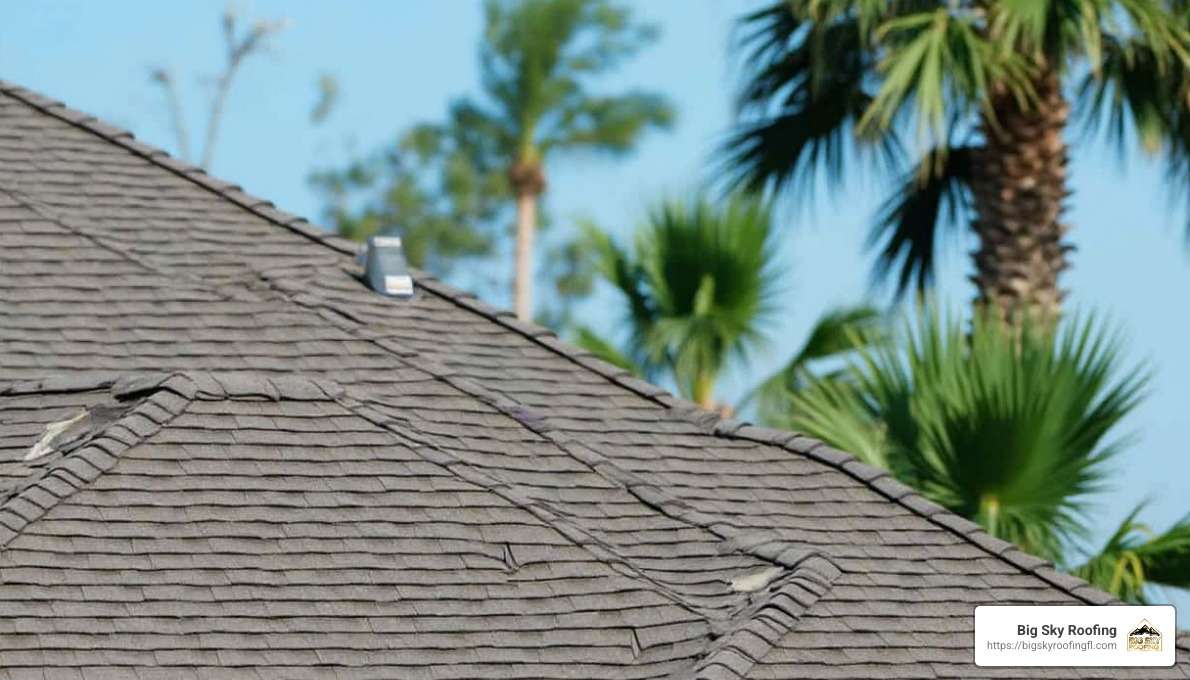
- Identify the damage: Make note of any missing shingles, leaks, or other visible damage.
- Document everything: Take clear photographs and, if possible, engage a professional roof inspector.
- File your claim promptly: Contact your insurance company as soon as possible with all your documentation.
When a storm blows through Florida—especially in counties like Sumter, Lake, Citrus, Hernando, Orange, and Marion—homeowners often face the daunting task of assessing roof damage. As storm patterns become more unpredictable, it’s crucial to understand how your homeowner’s insurance coverage can help repair and restore your roof.
Home insurance plays a pivotal role in safeguarding your property against storm damage. However, navigating the insurance claim process can be tricky without the right information. Many policies cover thunderous events, like windstorms and hail, but specific details vary by provider and plan. To be adequately prepared, ensure you thoroughly understand your existing policy, including any deductibles or coverage limits associated with roof damage.
By being proactive and informed about your roof’s condition and your insurance coverage, you can ensure a smoother claim process and protect one of your most valuable assets—your home.

Terms related to can i claim for storm damage to my roof:
– how to claim storm damage to a roof
– storm damage roofing
Can I Claim for Storm Damage to My Roof?
Understanding Your Policy
When a storm hits, the first step is to understand your homeowner’s insurance policy. This will help you determine if you can claim for storm damage to your roof. Most policies include dwelling coverage, which protects your home’s structure, including the roof, against specific perils like windstorms and hail. However, each policy is different, so it’s crucial to know what your plan covers.
Covered Perils: Typically, insurance policies cover damage from wind, hail, and falling objects. These are the most common causes of roof damage during storms in Florida. Knowing these details helps you understand what types of damage are eligible for a claim.
Exclusions: Be aware of exclusions in your policy. Damage due to wear and tear, neglect, or flooding might not be covered. Understanding these exclusions can save you time and disappointment when filing a claim.
Filing a Claim
Once you confirm that your policy covers storm damage, the next step is filing a claim. Here’s how to steer this process effectively:
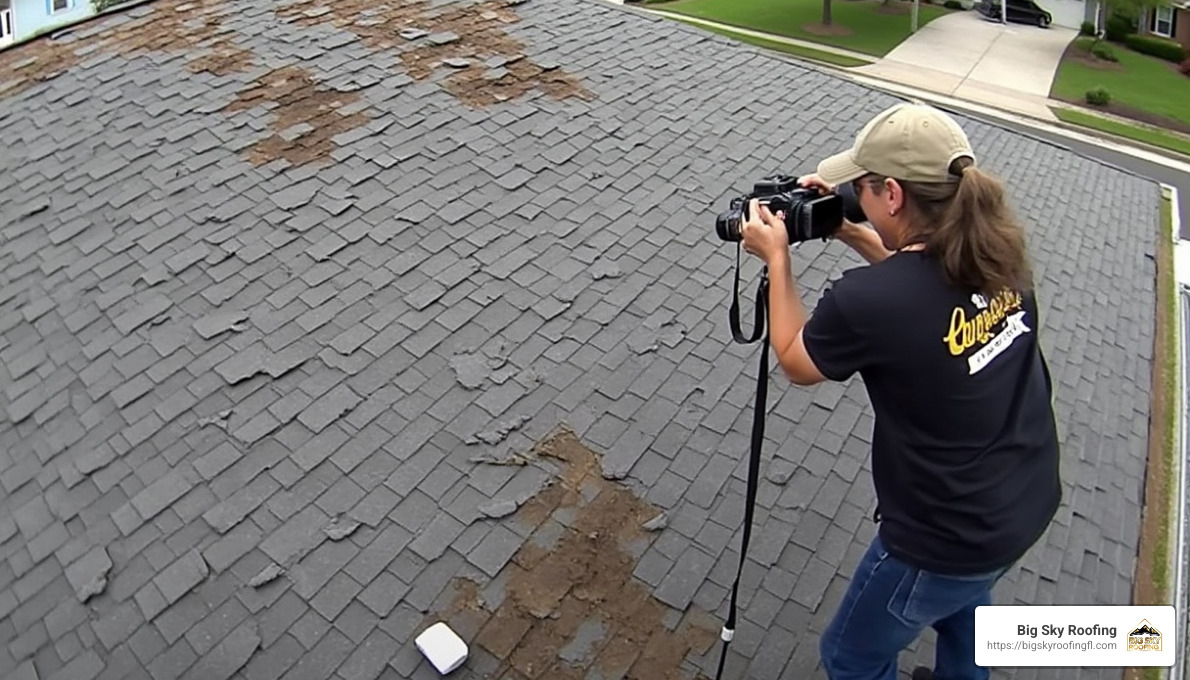
- Documentation: Begin by thoroughly documenting the damage. Take clear photos and videos of any visible issues, like missing shingles or leaks. This evidence is crucial when you submit your claim.
- Professional Inspection: It’s wise to get a certified roof inspector to assess the damage. An inspector can provide a detailed report, which strengthens your claim and helps you understand the extent of the damage.
- Contact Your Insurance Company: Report the damage to your insurance company promptly. Delaying this step could result in a denied claim. Provide all your documentation and be prepared to discuss the damage in detail.
- Insurance Adjuster: An insurance adjuster will evaluate the damage to your roof. Be present during their visit to point out all the issues and provide your documentation. This ensures a fair assessment and increases the chances of a successful claim.
- Roof Replacement or Repair: If the damage is extensive, your insurance may cover a roof replacement. If not, they might cover repairs. The decision will depend on the adjuster’s assessment and your policy’s terms.

By understanding your policy and following these steps, you can effectively file a claim for storm damage to your roof. This proactive approach helps ensure you’re not left with unexpected expenses after a storm.
In the next section, we’ll explore the types of roof damage typically covered by insurance, focusing on common perils and potential exclusions.
Types of Roof Damage Covered by Insurance
When it comes to storm damage, not all types of roof damage are covered by homeowners insurance. Knowing what is typically covered and what isn’t can save you a lot of frustration.
Common Perils
Windstorms: Strong winds can cause significant damage to roofs, especially during hurricanes or tornadoes. Insurance policies generally cover damage from these windstorms, which can rip off shingles or even cause structural damage.
Hail: Hailstorms can be particularly damaging, leaving dents and holes in your roof. Fortunately, most insurance policies cover hail damage, regardless of the size of the hailstones.
Fire: Whether from a lightning strike or an electrical mishap, fire damage is usually covered. This includes not only the cost to repair the roof but also any interior damage caused by the fire.
Falling Objects: Trees or branches falling onto your roof during a storm are generally covered, as long as the fall was due to a covered peril, like a storm. Always check your policy details to be sure.
Lightning: Direct hits from lightning can cause severe damage. Insurance often covers both the immediate impact damage and any resulting fires.
Exclusions
Wear and Tear: Roofs naturally wear out over time. Unfortunately, damage from aging or lack of maintenance isn’t covered. Regular inspections and maintenance can help prevent such issues.
Neglect: If your roof leaks due to neglected repairs or maintenance, insurance won’t cover the damage. Keeping up with routine maintenance is crucial.
Flooding: Standard homeowners insurance policies typically do not cover flood-related damage. You’d need a separate flood insurance policy for that.
Understanding these common perils and exclusions can help you better prepare for potential claims. It’s essential to read your policy carefully and know what is and isn’t covered. This knowledge will guide you in protecting your home and making effective claims when necessary.
In the next section, we’ll dive into the steps you should take to file a storm damage claim, ensuring that you’re well-prepared for the process.
Steps to File a Storm Damage Claim
When your roof takes a hit from a storm, knowing what to do next can save you time, stress, and money. Let’s walk through the steps you need to take to file a storm damage claim effectively.
Contacting Your Insurer
Step 1: Inspection and Documentation
Before anything else, inspect your roof for damage. Look for missing shingles, dents, or any signs of leaks. It’s crucial to document everything—take clear photos and videos of the damage. This visual evidence is your strongest ally when filing a claim.
Step 2: Emergency Repairs
If your roof has leaks or other issues that could cause further damage, make necessary emergency repairs. Cover holes with tarps or boards to prevent water from entering your home. Keep receipts for any materials or services used, as these costs may be reimbursed by your insurance.
Step 3: Contact Your Insurance Company
Reach out to your insurance company as soon as possible. Delays can lead to complications or even claim denial. When you call, be ready to provide details about the storm, the damage, and the emergency repairs you’ve made. Your insurer will guide you through the next steps in the claim process.
Working with Contractors
Step 4: Hire a Roofing Contractor
After notifying your insurer, it’s time to find a reputable roofing contractor. In Florida, especially in counties like Sumter and Lake, local contractors are familiar with common storm damage and can provide accurate repair estimates. Look for licensed and insured professionals to ensure quality work.
Step 5: Obtain Repair Estimates
Your contractor will assess the damage and provide you with a detailed repair estimate. Share this estimate with your insurance adjuster to help determine the claim amount. Having a contractor present during the adjuster’s inspection can also be beneficial. They can point out damage that might otherwise be overlooked.
Step 6: Finalize the Claim
Once the insurance adjuster has reviewed the damage and your documentation, they’ll finalize the claim. Make sure all repairs and costs are approved before starting the work. This ensures that you won’t face unexpected out-of-pocket expenses later.
By following these steps, you can streamline the process of filing a storm damage claim. Always keep communication open with both your insurer and contractor to avoid misunderstandings. And remember, acting quickly and efficiently is key to protecting your home and your wallet.
Frequently Asked Questions about Roof Damage Claims
What is the deductible for roof damage?
The deductible is the amount you pay out-of-pocket before your insurance kicks in. It’s important to know this number because it affects how much you’ll get from your insurance claim. For example, if your deductible is $2,000 and the roof repair costs $5,000, you’ll pay the first $2,000, and your insurance covers the rest. Always check your policy to know your deductible amount.
Is it worth claiming roof damage on insurance?
Whether it’s worth claiming roof damage on insurance depends on a few factors. First, compare the repair cost to your deductible. If repairs cost less than your deductible, it may not be worth filing a claim. Also, consider how a claim might affect your premiums. In some cases, filing a claim can lead to higher premiums. However, if the damage is extensive, and the repair cost is significantly higher than your deductible, it’s usually worth filing a claim.
How to get approval of a roof claim?
To get your roof claim approved, start with a detailed report of the damage. Include photos, videos, and any repair estimates from a licensed contractor. This documentation helps your insurance company understand the extent of the damage. When the insurance adjuster comes to inspect, make sure they have access to all relevant information. Having your contractor present during the inspection can also be helpful, as they can point out any damage that might be missed. Clear communication and thorough documentation are key to getting your claim approved.
Conclusion
Navigating the complexities of roof storm damage claims can be daunting, but with the right support, it becomes manageable. At Big Sky Roofing, we are dedicated to serving the communities of Central Florida, including Sumter, Lake, Citrus, Hernando, Orange, and Marion counties. Our mission is to provide you with the best customer service experience while ensuring your roof returns to its optimal condition.
Our team, with over 25 years of experience, is committed to superior craftsmanship and customer satisfaction. We understand the challenges homeowners face after a storm and are here to guide you through every step of the claim process.
Whether you need a repair, restoration, or a complete roof replacement, we offer free estimates and work closely with you to ensure transparency and understanding of the costs involved. By choosing Big Sky Roofing, you’re opting for a trusted partner who prioritizes your home’s safety and value.
For detailed information on our services and how we can assist you with storm damage claims, visit our services page. We’re here to help you weather any storm with confidence and peace of mind.